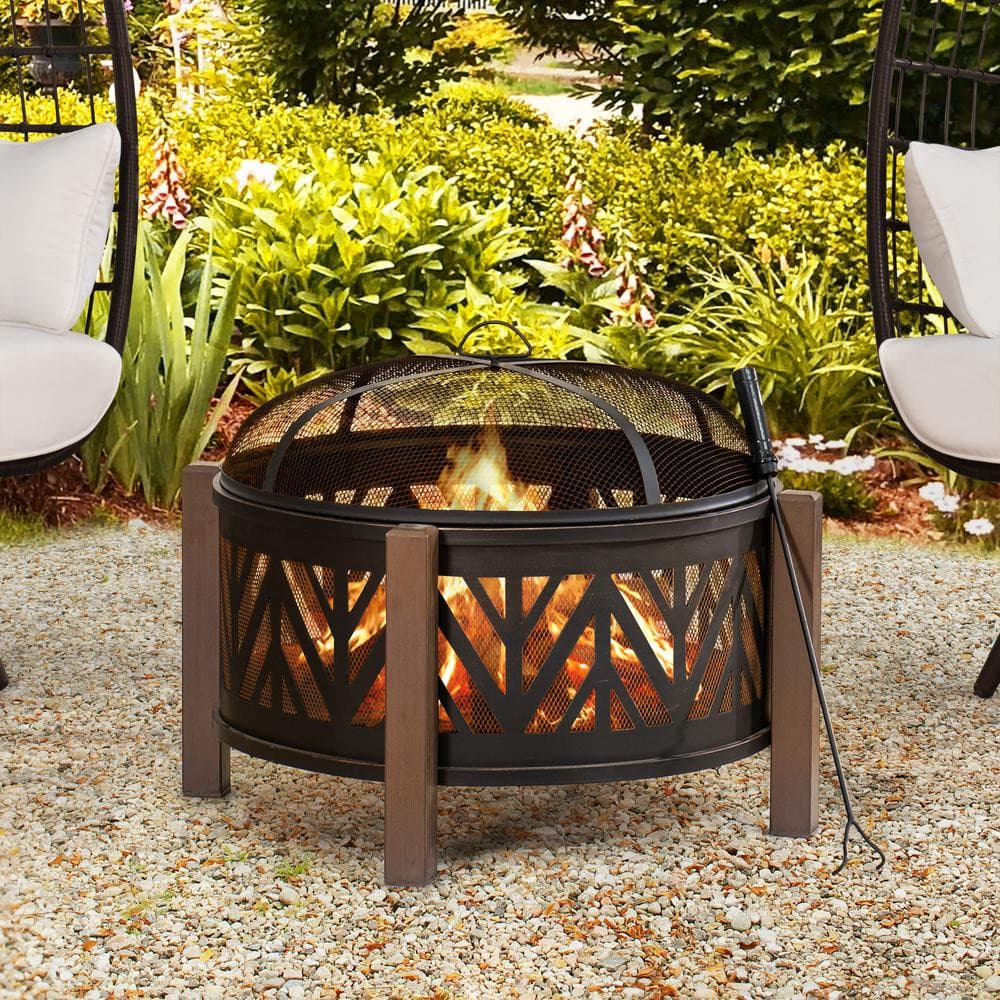
Choosing the right wood for your wood-burning fireplace can make all the difference in how efficiently and cleanly your fire burns. Whether you are cozying up on a chilly evening or gathering around an outdoor fire pit with friends, understanding the types of wood available helps you get the warmth and ambiance you are hoping for.
Why Wood Choice Matters
Not all firewood is created equal. Some wood types burn hotter and longer, while others produce heavy smoke or spark excessively. When wood burns well, it gives off consistent heat, produces less creosote buildup in your chimney, and creates a more satisfying fire experience. Low-quality wood can make starting a fire harder and lead to more frequent refueling.
Best Hardwood Options
Hardwoods are usually the most recommended for a wood-burning fireplace because of their dense composition. Dense wood stores more energy per log, resulting in longer-lasting fires and stronger heat output. Some of the hardwoods that perform well include oak, maple, and hickory.
Oak is often highlighted by fireplace users for its steady burn and heat output. It can take longer to season properly, but the effort pays off with extended burn times and a reliable flame. Maple is another good option that burns relatively clean and gives a pleasant scent as it heats up. Hickory is prized for its heat and aroma, although it can be a bit pricier than other hardwoods.
Softwood for Starters
Softwoods like pine, fir, and cedar are typically easier to ignite, which makes them excellent for kindling when getting a fire going. They catch flame quickly and help establish a base for larger logs. However, softwoods burn faster and may produce more creosote and smoke. This quality makes them less suitable as the primary fuel for long burns in an indoor wood-burning fireplace, but they can be quite handy in building the initial fire.
Proper Wood Preparation
No matter the wood type you choose, proper seasoning is essential. Seasoned wood has been dried to reduce moisture content, often for at least six months. Dry wood lights more easily, burns cleaner, and minimizes smoke and creosote deposits. Splitting wood into smaller pieces and storing it in a dry, ventilated place speeds up this process.
Wood for Outdoor Fire Pits
When using wood in an outdoor fire pit, many of the same principles apply. Hardwoods are preferable because they create longer-lasting fire and more consistent heat. If you are hosting gatherings around a fire pit, choosing wood that burns hot and steady will keep the atmosphere lively without constant attention.
Conclusion
The best wood for a wood-burning fireplace generally comes from seasoned hardwoods for lasting heat, with softwoods used primarily to start the fire. Taking the time to select and prepare the right wood enhances your fireplace or fire pit experience, giving you warmth, comfort, and enjoyment. For quality outdoor fireplaces and fire pit options, SUNJOY offers reliable products designed to elevate your home gatherings and outdoor spaces.