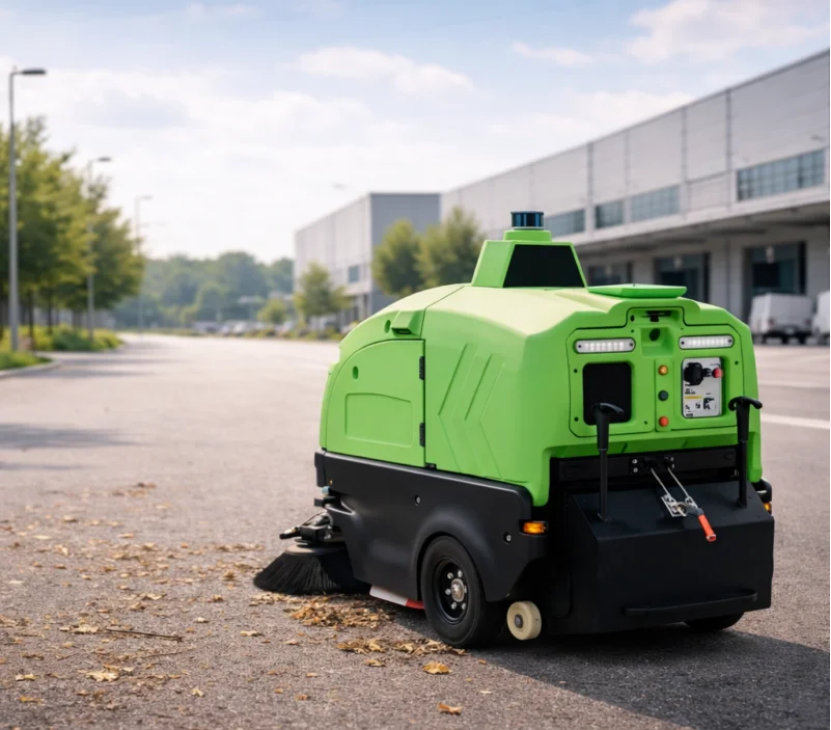
Industrial environments often include carpeted zones such as office areas, control rooms, and administrative spaces that require consistent and effective cleaning. Operating an industrial cleaning machine in these settings demands a structured approach to ensure both cleanliness and equipment longevity. While industrial floor sweepers are typically used for hard surfaces, many facilities integrate multiple machine types to maintain different floor materials efficiently. A clear, step-by-step process helps operators achieve reliable results while minimizing disruption to daily operations.
Preparation and Machine Setup
The first step in operating an industrial cleaning machine is proper preparation. Operators begin by inspecting the carpeted area to identify debris, stains, or obstacles that may affect cleaning performance. Large particles should be removed in advance, sometimes using industrial floor sweepers in adjacent hard-surface zones to prevent cross-contamination.
Next, the machine itself must be checked. This includes verifying water levels, cleaning solution ratios, and the condition of brushes or extraction components. Proper calibration ensures that the industrial cleaning machine delivers consistent results without over-saturating the carpet.
Safety checks are also essential. In facilities with active logistics, equipment must be positioned to avoid interfering with vehicle movement. Advanced systems, such as those used in Greendorph solutions, incorporate LiDAR and 3D cameras to detect nearby machinery and adjust operation accordingly. These features support safer deployment in mixed-use environments.
Cleaning Operation and Post-Process Management
Once preparation is complete, the operator begins the cleaning process by following a systematic path. A structured pattern ensures full coverage and avoids overlap or missed sections. The industrial cleaning machine should move at a controlled speed to allow adequate extraction of dirt and moisture.
During operation, attention must be paid to dust and particulate control. In some environments, systems similar to those found in advanced industrial floor sweepers—such as dust collection combined with misting—help prevent secondary airborne contamination. This is particularly relevant in facilities where fine particles pose operational risks.
After cleaning, the post-process stage includes drying management and equipment maintenance. Carpets should be allowed to dry thoroughly to prevent mold or odor development. The industrial cleaning machine must be cleaned, emptied, and inspected to ensure readiness for the next cycle.
Ensuring Consistency and Operational Safety in Carpet Maintenance
Effective use of an industrial cleaning machine depends on disciplined procedures and proper integration with broader cleaning workflows. By combining preparation, controlled operation, and post-cleaning maintenance, facilities can achieve consistent results. While industrial floor sweepers address hard surfaces, coordinated use of different equipment types enhances overall efficiency. Greendorph supports such structured approaches by developing solutions that prioritize safety, dust control, and compatibility with complex industrial environments.