Golf carts are no longer limited to the fairway. Today, they are widely used in resorts, campuses, parks, industrial properties, and residential communities where quiet, efficient electric transport is essential. In all of these settings, battery performance directly affects how reliably a cart can operate throughout the day.
That is why understanding battery life is about more than estimating how long a cart can run on a single charge. It also involves charging habits, usage patterns, and the overall condition of the electrical system. When these elements work together, a golf cart can deliver better efficiency, steadier power, and lower long-term operating costs.
What Affects Golf Cart Battery Life?
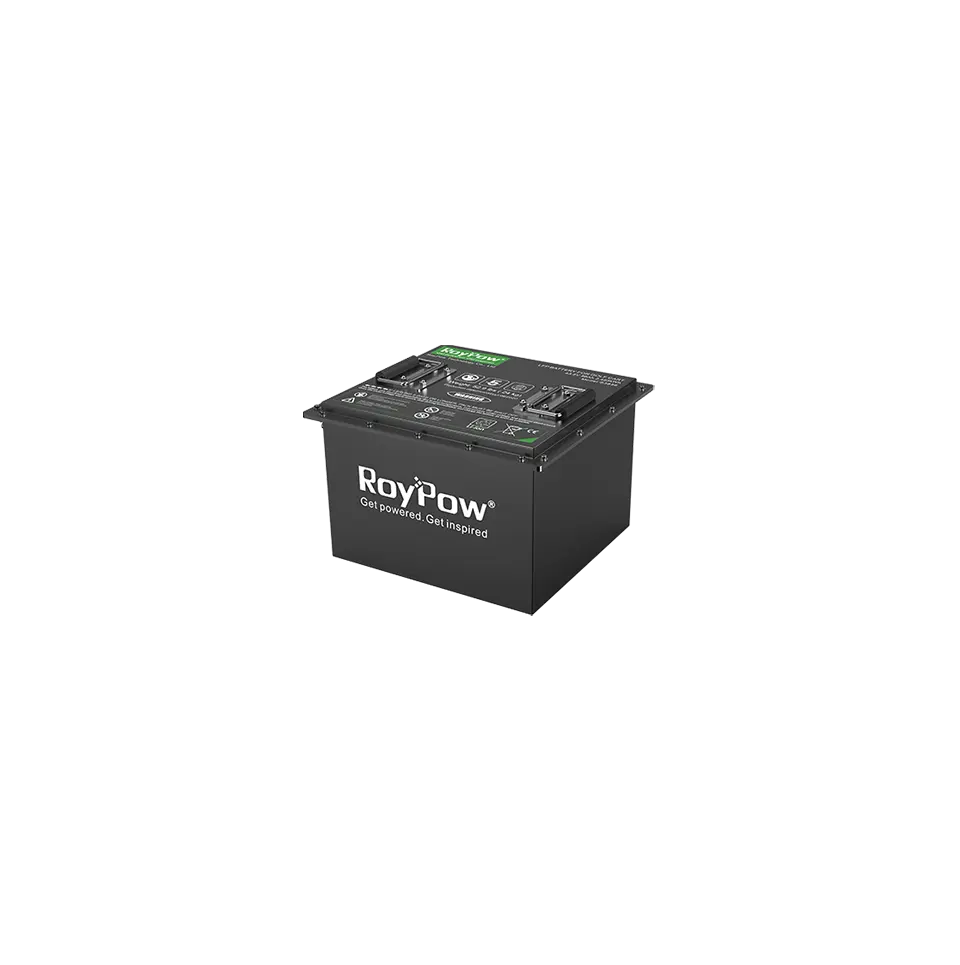
Battery life is shaped by several practical factors, but battery chemistry is often the most important starting point. Traditional lead-acid batteries remain common, yet they usually require more upkeep and tend to have a shorter service life. Lithium batteries, by comparison, are increasingly chosen for their longer lifespan, lighter weight, and more stable performance.
In real-world use, this difference matters. A battery that lasts longer reduces replacement frequency, lowers downtime, and helps owners avoid the recurring labor involved in maintenance. For commercial users managing multiple carts, that can make a noticeable difference in total cost of ownership.
Beyond chemistry, day-to-day operating conditions also play a major role. Heat, inconsistent charging, long idle periods, and repeated stop-and-go use can all shorten battery life if the system is not managed properly.
Why Charging Habits Matter More Than Many Users Realize
Charging practices have a direct impact on battery health. Using the correct charger for the battery type is essential, because an incompatible charger can lead to undercharging, overcharging, or unstable charging cycles. Over time, these issues reduce usable capacity and weaken overall battery performance.
For lead-acid batteries, partial charging is especially problematic. Frequent short trips followed by incomplete recharging can encourage sulfate buildup on the battery plates, which gradually reduces efficiency. Lithium batteries generally handle partial charging better, but they still benefit from proper voltage control and a charger designed for the battery management system.
A good charging routine usually includes:
- using a charger matched to the battery chemistry
- avoiding prolonged overcharging or deep neglect
- charging in a stable, well-ventilated environment
- checking connectors and cables for wear or loose contact
These simple habits help preserve runtime and improve long-term reliability.
The Role of Usage Patterns in Battery Performance
How a golf cart is used can be just as important as how it is charged. A cart that runs on flat paths for short leisure trips will place different demands on the battery than one used all day across hilly terrain, large facilities, or uneven outdoor routes.
Heavy loads, frequent acceleration, and repeated daily cycling increase energy demand and generate more stress on the battery system. When this happens consistently, lower-quality batteries may show voltage drop, reduced range, or weaker acceleration much sooner.
This is one reason many buyers now focus on best golf cart batteries not only in terms of runtime, but also in terms of consistent power delivery. A battery that maintains stable voltage under load can improve driving feel, climbing ability, and operational dependability across varied conditions.
Why the Electrical System Should Never Be Overlooked
Battery performance does not exist in isolation. A golf cart’s electrical system includes the controller, motor, wiring, and related connections, all of which influence how efficiently stored power is delivered to the wheels.
If these components are poorly matched, even a high-quality battery may not perform at its full potential. Voltage mismatch, undersized wiring, or aging connectors can create resistance, waste energy, and reduce responsiveness. In contrast, a well-integrated system supports smoother acceleration, more predictable handling, and better energy use.
Power delivery becomes especially important when carts are used beyond standard golf course conditions. On campuses, in hospitality environments, or in utility applications, carts may need to handle longer routes and more frequent operation. In those situations, electrical efficiency is closely tied to user satisfaction and fleet productivity.
How to Choose the Right Battery for Long-Term Value
Selecting a golf cart battery should involve more than comparing upfront price. The better approach is to evaluate how the battery will perform over time under actual operating conditions. Key factors to consider include:
- Battery lifespan
A longer service life can reduce replacement frequency and labor costs. - Maintenance needs
Lower-maintenance options save time and simplify ownership. - Weight and efficiency
Lighter batteries can improve vehicle efficiency and handling. - Power consistency
Stable voltage supports smoother operation and better hill-climbing performance. - System compatibility
The battery should work properly with the cart’s charger, controller, and voltage requirements.
Environmental performance may also influence the decision. Compared with lead-acid batteries, lithium options are generally cleaner in operation, with less risk of acid leakage and fewer routine maintenance demands. For users seeking a more sustainable and modern power solution, that can be an added advantage.
A Smarter Approach to Golf Cart Power
Extending golf cart battery life starts with understanding the full picture. Battery type, charging habits, usage conditions, and electrical system compatibility all contribute to performance, reliability, and long-term cost.
For individual owners, this means fewer disruptions and better driving confidence. For commercial fleets, it means more predictable operation and improved efficiency over time. Choosing the right battery solution is not simply about replacing a worn component. It is about building a more reliable electric vehicle system from the ground up.