Modern electric vehicle architecture relies heavily on high-efficiency power conversion to meet the demands of fast-paced mobility. At the heart of this evolution is the integration of compact, high-power components that manage energy flow between the power grid and the vehicle battery. Achieving peak performance from these systems requires a deep understanding of their technical requirements and operational care. This guide focuses on the critical aspects of setting up and preserving the health of integrated power modules, particularly the 11kW on board charger and combo units that streamline vehicle packaging.
Technical Foundation of the 11kW Integrated System
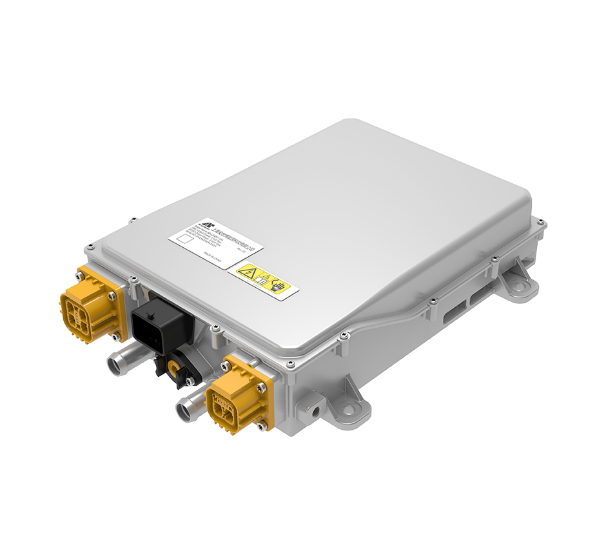
Before proceeding with installation, it is essential to recognize the engineering behind the AcePower 11kW BI-OBC 3kW DCDC Combo. This system is designed as a multifunctional unit that reduces the need for multiple auxiliary components. By integrating a bidirectional on-board charger, the hardware maintains a compact footprint of approximately 3.8 liters. Such space efficiency is vital for B2B manufacturers looking to optimize chassis layouts.
Key parameters include:
- Efficiency: A full-load efficiency of up to 95.5% at 400Vdc.
- Cooling Method: Reliable liquid cooling technology designed for environments ranging from -40°C to 85°C.
- Input Range: Supports 85~265Vac for single-phase and 320~460Vac for three-phase power supplies.
- Durability: An IP67 enclosure index rating ensures the unit is protected against dust and water ingress.
Precision Installation Protocols
The installation of an 11kW OBC requires meticulous attention to electrical standards and mechanical integration. Because these units handle high-voltage power conversion, professional expertise is mandatory to ensure safety and long-term reliability.
- Thermal Management Integration: Given that the system utilizes liquid cooling, the coolant hoses must be secured with automotive-grade clamps. Installers should verify that the coolant temperature remains within the specified -40°C to 85°C range to avoid linear derating of power output.
- Electrical Connectivity: For optimal performance, the 11kW on board charger should be connected using high-quality shielded cables to maintain excellent electromagnetic compatibility (EMI). The AcePower unit is compliant with CISPR 25 FCC PART 15 Class B standards, but poor grounding during installation can compromise this performance.
- Communication Setup: The unit features intelligent CAN communication. Configuring the software parameters correctly ensures the charger can communicate seamlessly with the Vehicle Control Unit (VCU) and the Battery Management System (BMS) for smart energy management.
Proactive Maintenance for Longevity
Maintenance for an 11kW OBC is generally low-intervention due to the lack of moving parts, but periodic inspections are necessary to safeguard the investment and ensure consistent charging speeds.
- Coolant System Checks: Regular inspection of the liquid cooling circuit is the most critical maintenance task. Technicians should check for leaks, monitor coolant levels, and ensure the pump is operating efficiently to prevent thermal throttling.
- Connector Integrity: Over time, high-voltage connectors may experience thermal cycling. Inspecting the contact points for signs of oxidation or wear helps maintain a low-resistance path, which is essential for the 95.5% efficiency target of the AcePower module.
- Software Updates: Advanced power systems often receive firmware optimizations. Keeping the communication protocols updated allows the system to remain compatible with evolving grid standards and V2G (Vehicle-to-Grid) functionalities.
Troubleshooting Common Operational Issues
Even with high-quality hardware like the 11kW on board charger, external factors or installation errors can occasionally lead to performance issues. Identifying these early can prevent system downtime.
- Reduced Charging Speed: If the 11kW OBC is not reaching its rated power, first check the input voltage.
- Communication Errors: Faults in the CAN bus often stem from wiring interference. Ensure that the communication lines are properly twisted and shielded as per the technical manual provided by AcePower for their integrated modules.
- Thermal Alarms: If the unit triggers a high-temperature warning, check for air bubbles in the liquid cooling loop or obstructions in the heat exchanger. The liquid cooling system is robust, but it relies on a steady flow of coolant to dissipate heat during full-load operation.
Optimizing Performance in Professional Applications
Selecting the right hardware for commercial or industrial electric vehicle fleets involves balancing weight, size, and power density. The integrated approach taken by AcePower addresses these needs by combining the charging and DC/DC conversion functions. This results in a weight of only 7.5kg for a full 11kW system, providing a significant advantage in vehicle range and efficiency.
For enterprises specializing in EV manufacturing or fleet management, the adoption of an 11kW OBC represents a transition toward smarter, more grid-friendly energy use. The bidirectional capabilities allow for V2X (Vehicle-to-Everything) scenarios, transforming the vehicle battery into a mobile energy storage unit. By following strict installation and maintenance guidelines, operators can ensure these advanced power electronics deliver stable and sustainable output throughout the vehicle’s lifecycle.
The integration of Silicon Carbide (SiC) technology within the 11kW on board charger architecture further ensures that energy losses are minimized. This technological edge, combined with a focus on electromagnetic stability and compact mechanical design, makes these systems a cornerstone of modern electrification strategies. Proper care and precise technical execution during the setup phase are the keys to unlocking the full potential of high-efficiency energy solutions.