Fleet video systems are increasingly used for more than incident recording. Many fleet operators now need faster event awareness, remote video access, and a practical way to connect driving events with visual evidence. A connected recorder can support this process by detecting selected events, storing several camera views, and sending useful clips to a remote platform when review is required.
For logistics, mining, oil and gas, public transport, cold-chain, engineering, and school-bus fleets, speed of access matters. A 4G AI MDVR can help managers review selected incidents without waiting for a vehicle to return to base. This can shorten the time between an event, its verification, and the next operational decision. It also gives supervisors a clearer basis for follow-up with drivers or dispatch teams.
Event Detection Should Reduce Review Time
Continuous recording creates large amounts of video. The main challenge is not simply capturing more footage, but finding the useful part quickly. Event detection helps by marking moments linked to driving behavior, vehicle status, or AI-based safety alerts.
This approach can reduce manual searching. Instead of reviewing long timelines, a fleet manager can start from an alert and examine the related footage. The event record may also include location, time, and device information, giving the video more operational context.
A 4 channel MDVR adds another layer of detail. Different cameras can cover the road, driver area, vehicle sides, or cargo zone. When the channels are synchronized, managers can compare several views of the same event and understand what happened around the vehicle.
Real-Time Upload Needs Practical Rules
Real-time upload does not mean that every second of video should be transmitted. Mobile networks, data costs, storage limits, and fleet size all affect how upload policies should be designed.
A practical system may keep continuous footage locally while sending selected clips after important events. Fleets can set different upload priorities according to operational risk and response needs. This can reduce unnecessary data use and keep remote review focused on incidents that need attention. Upload priorities can also be adjusted for different event types.
Network conditions should also be considered. Vehicles may operate in mines, highways, ports, or remote areas where coverage changes during a route. Local recording combined with delayed or event-based upload can make the workflow more stable when the connection is weak.
Multiple Camera Views Improve Incident Context
A single camera cannot show every part of a vehicle’s surroundings. Front-facing footage may explain road conditions, while in-cab video may help review driver behavior. Side cameras can provide more information about lane changes, loading areas, or close vehicle movements.
For this reason, a 4 channel MDVR can be useful in fleets that need evidence from several positions. The value comes from having synchronized footage that can be reviewed together rather than from camera count alone.
Camera placement should be planned before installation. Field of view, mounting height, vibration, lighting conditions, and cable routing can all affect recording quality. Fleet operators should test the layout on a small number of vehicles before a wider deployment.
AI Alerts Need Video Evidence
AI functions can make event detection more specific. ADAS may identify road-related risks, DMS can focus on driver behavior, and BSD can help monitor blind areas. These alerts become more useful when they are linked to recorded video and vehicle data.
For example, a fatigue or distraction alert gives fleet managers more value when they can see the related clip and compare it with time and location data. This makes it easier to separate isolated events from repeated patterns that may require driver coaching or operational changes.
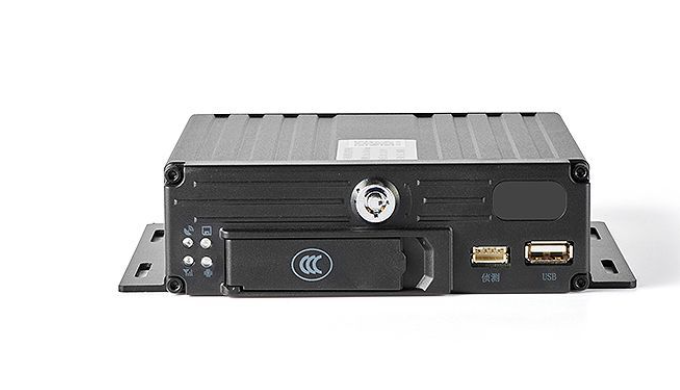
The BSJ Technology ED02R is designed around this type of workflow. It provides high-definition four-channel recording, real-time uploads, and AI functions that include ADAS, DMS, and BSD. The product is intended for fleet monitoring, safety review, and compliance-related video use.
B2B Buyers Should Check More Than Specifications
Fleet owners should define which events require immediate review and which can be checked later. Collision-related alerts, harsh driving, route exceptions, and selected AI warnings may need different upload rules.
System integrators and distributors should also evaluate software compatibility. Video, GPS data, alarm records, and device status should connect with the platforms already used by the customer. Open integration can reduce extra development work during deployment.
A 4 channel MDVR project also needs clear installation and maintenance planning. Power supply stability, storage design, camera positioning, firmware management, and remote diagnostics can affect long-term operation as much as recording resolution.
BSJ Technology supports OEM and ODM cooperation, hardware customization, global technical support, and integration with third-party software platforms such as Wialon and GpsGate. These capabilities can be relevant to distributors and solution providers that need adapted hardware or connection with an existing fleet-management ecosystem.
Building a More Useful Video Workflow
A 4G AI MDVR is most useful when event detection, local recording, remote upload, and fleet data are connected in one practical process. The goal is not to collect more footage, but to make important events easier to find, verify, and act on.
For B2B fleets, a sound deployment starts with event priorities, camera layout, network conditions, upload rules, and platform integration. When these elements are planned together, video telematics can support clearer incident review, more focused driver management, and more efficient remote oversight without adding unnecessary monitoring complexity.