Grid operators increasingly focus on stable power delivery, and optimized protection strategies often rely on well-matched transformer configurations. When discussing protection planning, distribution transformers play a central role because they manage voltage adaptation while supporting fault-response schemes. As utilities adjust protection settings, they examine insulation behavior, thermal limits, and load transitions to ensure coordination with upstream devices. In this context, SH POWER offers solutions that align with industrial expectations without interrupting existing grid layouts. Their approach highlights how proper transformer selection helps reduce abnormal thermal rise and improves long-term equipment dependability in protective arrangements.
Dry-Type Technology and Its Role in Grid Protection
Many engineering teams evaluate dry type distribution transformers when designing enclosed or urban substations that prioritize low-maintenance operation. These transformers support protection enhancement by providing predictable thermal characteristics and stable short-circuit performance. When integrated into relay and breaker coordination studies, the consistent temperature behavior of dry type distribution transformers allows engineers to set clearer thresholds and avoid unwanted tripping in mixed-load networks. Such predictability is particularly valuable in compact substations where airflow conditions are controlled and operational continuity is essential. For operators planning upgrades, distribution transformers with well-defined thermal responses help structure more accurate protection margins.
Product Characteristics Supporting Protection Optimization
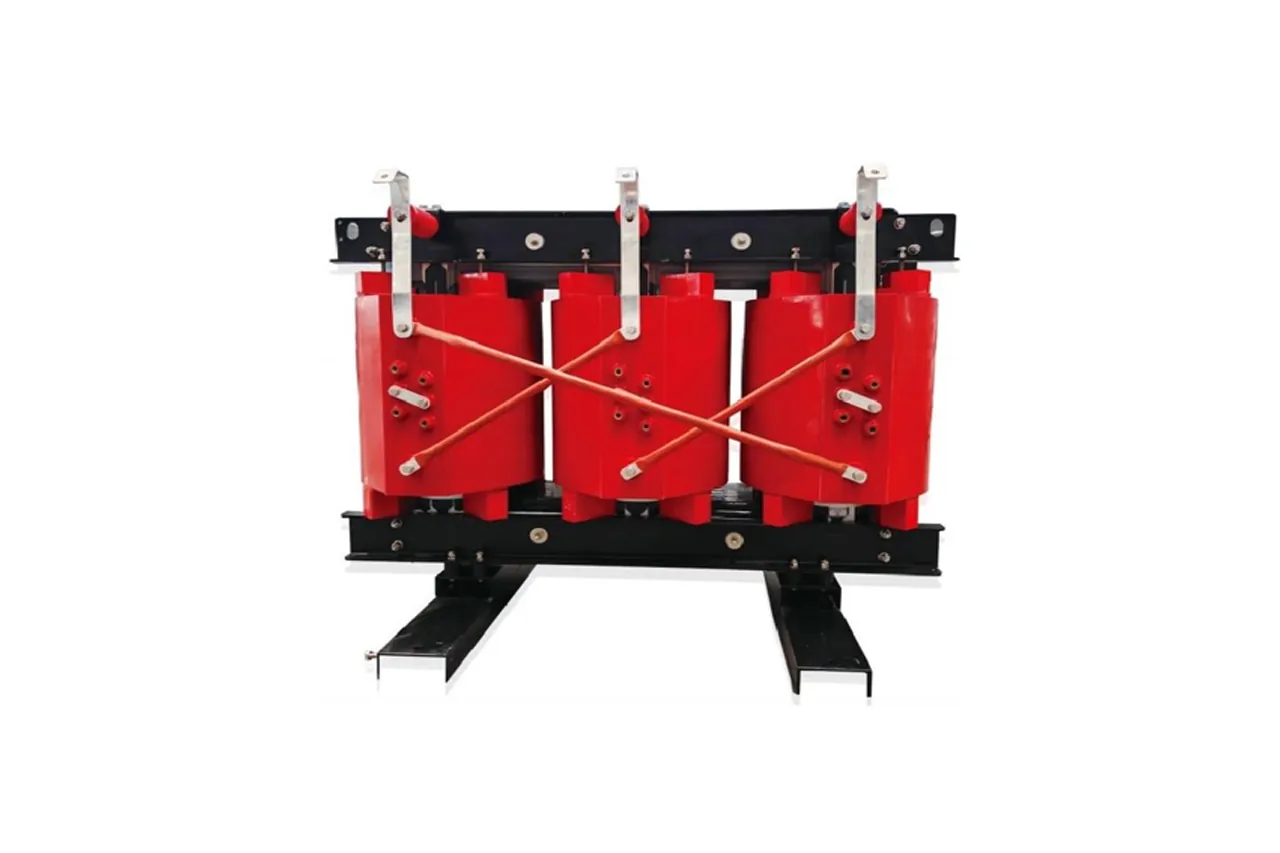
To meet these engineering requirements, they supply the 10kV SC(B) series dry-type transformers, designed for three-phase 10kV/6.3kV applications and compliant with IEC 60076, GB/T 10228, GB 1094, and GB 20052. The SC(B) Series Epoxy Resin Cast Dry-Type Power Transformer uses cast-resin insulation to support mechanical strength during short-circuit conditions. Its temperature controller enables real-time supervision with high-temperature alarm and over-temperature trip outputs, offering operators clearer data for protection tuning. This structure fits modern protection strategies where continuous condition monitoring is incorporated into grid-safety planning.
Conclusion: Coordinated Use of Dry-Type Designs for Protection Planning
In summary, protection optimization depends on predictable performance and reliable thermal behavior. By integrating dry type distribution transformers with defined insulation characteristics and onboard monitoring, engineers can structure more coherent protection thresholds. Through these technical features, they provide equipment that aligns with protection studies and enhances overall operational stability. This shows how transformer design and protection planning naturally reinforce one another when appropriate technology is selected.