Phase modulation is a critical technique in optical communication, particularly when working with TFLN devices and intensity modulators. Understanding its impact on frequency is crucial for enhancing data transfer rates and quality in photonic applications.
Insights into Phase Modulation
Phase modulation alters the phase of the carrier signal to convey information, rather than changing its frequency. However, this technique can effectively influence the signal’s spectral properties. For instance, when applied in TFLN intensity modulators with a bandwidth of 67/110 GHz, the modulation process allows for rapid adjustments without necessitating frequency alterations.
This characteristic is particularly relevant when designing systems that require high-speed data transmission, as the efficiency of phase modulation compensates for the need for wider bandwidths while maintaining low insertion loss, typically under 4.5 dB. The modulation scheme allows for the transmission of more data within a given channel, which is vital for modern communication networks.
The Role of TFLN Devices
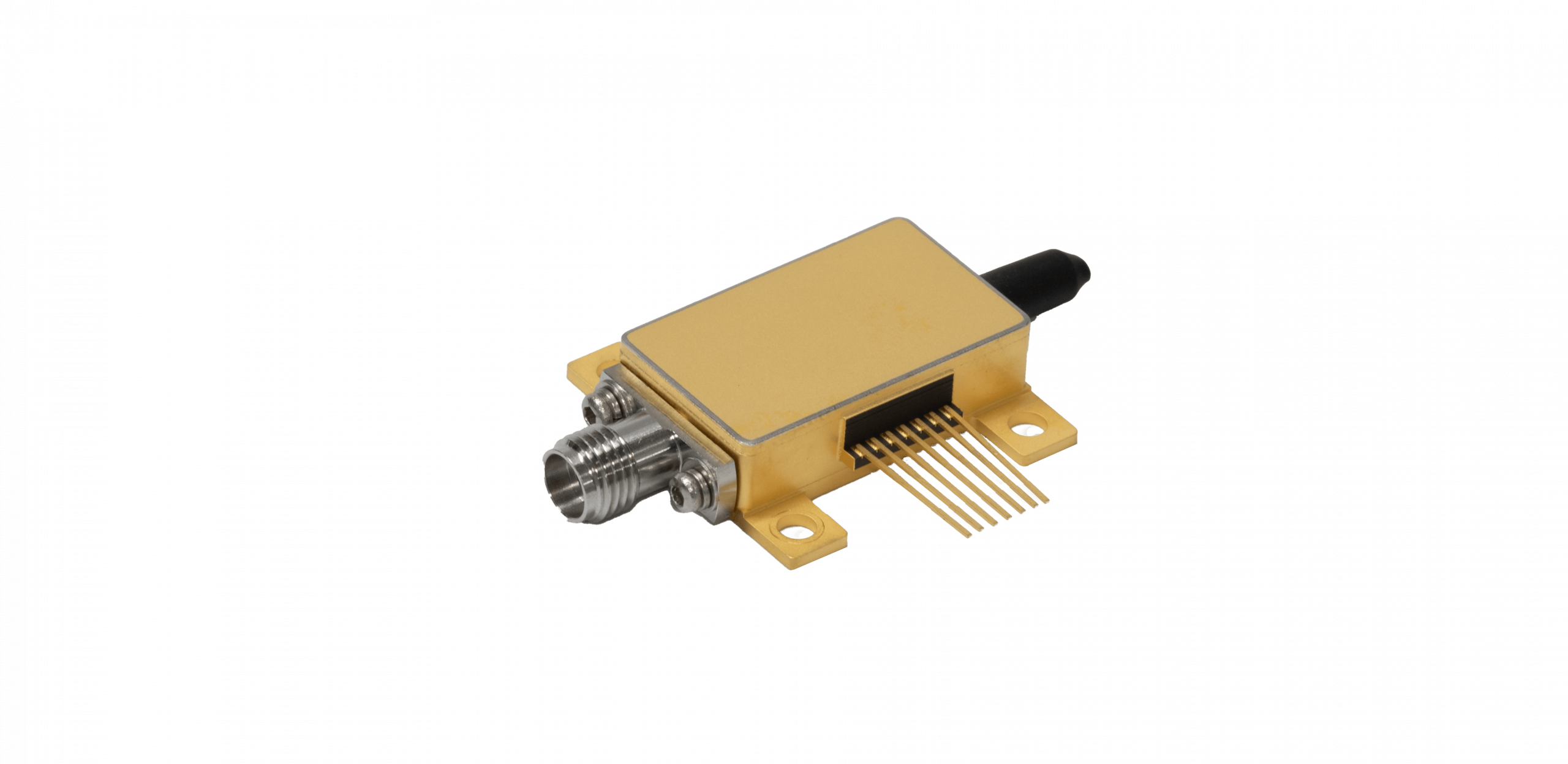
Utilizing TFLN devices enhances the capabilities of phase modulation significantly. For example, a 20/40 GHz phase modulator, with impressive specifications such as a 3dB bandwidth of 40 GHz and insertion loss below 3.5 dB, enables stable and reliable operation essential for high-performance applications. These devices can handle increased input RF power, making them ideal for use in demanding telecommunications environments.
Incorporating phase modulation in TFLN devices can facilitate seamless integration into optical frequency combs, offering customizable solutions for various applications. This adaptability ensures that businesses can tailor their systems according to specific operational requirements.
Driving Innovation in Optical Technologies
Companies like Liobate excel in developing advanced TFLN devices and intensity modulators, emphasizing the importance of phase modulation in their designs. With a focus on producing high-quality, reliable products, Liobate’s technology supports next-generation communication systems aiming for enhanced performance and efficiency.
Understanding how phase modulation influences optical signals is vital for businesses aiming to enhance their photonic applications. By leveraging TFLN devices and innovative modulators from Liobate, organizations can ensure they remain competitive in the rapidly evolving optical landscape.