Power distribution inside a data center is not built around one voltage level. Medium-voltage (MV) equipment handles incoming power at a higher voltage, while low-voltage (LV) equipment distributes power to IT loads, cooling systems, lighting, and other facility equipment. The two sections must work together so that electricity can move from the utility connection to the final loads in a controlled way.
Understanding this relationship also explains how data center power distribution manufacturers approach system design. Their work involves more than selecting switchgear. Voltage levels, protection, fault conditions, installation space, maintenance access, and future expansion all need to be considered when an electrical distribution system is planned.
Where MV and LV Systems Fit in a Data Center
MV equipment is generally positioned closer to the utility or primary incoming power connection. Its role is to receive and control electrical power before it reaches the lower-voltage distribution section. Depending on the project design, transformers can then reduce the voltage to a level suitable for downstream equipment.
LV equipment takes over after this voltage conversion. Switchboards and related devices distribute power to different parts of the facility. These loads can include servers, UPS systems, cooling equipment, pumps, lighting, and other building services.
This separation makes the electrical architecture easier to organize. Engineers can assign protection and switching functions according to the voltage level and load type. It also gives maintenance teams clearer access to individual sections of the distribution network.
What Changes Between MV and LV Distribution?
The main difference is the operating voltage, but equipment selection involves more than voltage ratings. MV systems normally focus on incoming power, transformation, protection, and switching. LV systems deal with a wider range of final distribution circuits and facility loads.
LV systems also need to accommodate different operating requirements. Motor loads may have different characteristics from lighting circuits, while IT-related loads can require stable and carefully coordinated power distribution. Protection settings therefore need to match the equipment connected downstream.
Physical arrangement matters as well. Data center electrical rooms have limited space, and equipment may need to be installed in defined sections. Modular equipment can make installation and later changes easier when the project has phased construction or planned capacity growth.
How Do Data Center Power Distribution Manufacturers Coordinate Both Levels?
For data center power distribution manufacturers, coordination starts with the complete electrical path rather than a single cabinet. Engineers need to understand how incoming MV power reaches transformers, LV switchboards, UPS equipment, and final loads.
Protection coordination is another key consideration. If a fault occurs downstream, the protection system should operate according to the planned protection scheme. This helps limit the affected section and reduces unnecessary interruption to other circuits.
The physical connection between MV and LV sections also deserves attention. Cable routes, busbar arrangements, equipment spacing, and maintenance access can affect installation work. A practical design needs to consider how equipment will be delivered, positioned, connected, inspected, and serviced at the project site.
Why LV Switchgear Matters After Voltage Conversion
Once power has been reduced to the required LV level, switchgear becomes a central part of distribution. It provides switching and protection functions for different circuits and can also accommodate control requirements for facility equipment.
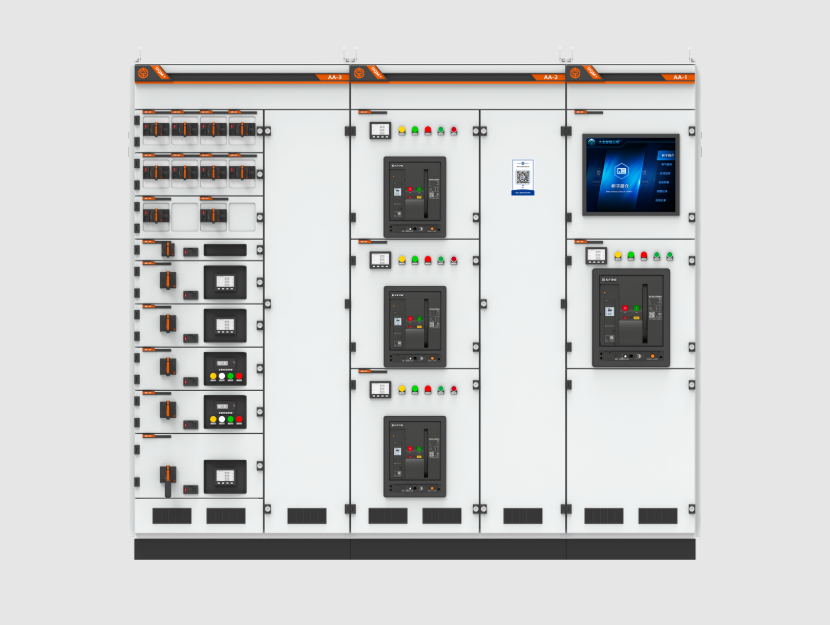
One example is the DQM Intelligent Low-Voltage Switchgear. The equipment is independently developed by Daqo and is designed for low-voltage power distribution, motor control, and lighting systems. Its modular structure is intended to support stable operation and lower failure rates.
The switchgear complies with IEC 61439-2 and has undergone internal arc testing in accordance with the applicable requirements of IEC 61641. It has also undergone international tests covering seismic resistance, internal arcing faults, and salt spray. A KEMA certification report is available, and the equipment complies with IEC 61439-2 and GB 7251.2-2023.
Modular Design and Future Expansion
Data center capacity can change as additional servers, cooling systems, or electrical equipment are introduced. Distribution equipment therefore needs to accommodate changes without creating unnecessary reconstruction work.
The modular structure used in the DQM switchgear provides a practical approach to this issue. Components can be arranged according to the distribution requirements of a project, while the maintenance-free busbar system can simplify expansion work.
This approach is also useful during installation. Instead of treating the entire LV distribution section as one fixed structure, engineers can plan functional sections around actual load requirements. Such planning can make site installation more manageable and provide a clearer route for future capacity adjustments.
Connecting Equipment Selection With Site Conditions
Electrical specifications are only part of the selection process. Environmental conditions can influence equipment requirements, especially for facilities located in areas with high humidity, salt exposure, seismic activity, or other demanding conditions.
Testing information can therefore provide useful reference points during equipment evaluation. Seismic resistance, internal arcing fault testing, and salt spray testing address different aspects of equipment performance. They can be considered alongside electrical ratings, enclosure arrangements, installation conditions, and project-specific protection requirements.
For B2B buyers, this information is more useful than a general claim about equipment quality. Project engineers can compare documented standards, testing, certifications, and design features with the actual conditions of the facility.
A Practical View of MV and LV Integration
MV and LV systems perform different jobs, but they form one electrical distribution chain inside a data center. MV equipment handles the higher-voltage incoming section, transformers provide voltage conversion, and LV switchgear distributes power toward IT and facility loads.
Daqo Group provides equipment within this broader low-voltage distribution context, including intelligent switchgear and low-voltage switchboards. Its product design combines modular construction with applications such as power distribution, motor control, and lighting. These characteristics can be considered when engineers are planning equipment around specific project layouts.
A well-planned system should therefore look beyond individual products. Incoming power, voltage transformation, protection, LV distribution, installation space, operating conditions, and future expansion all need to fit together. This system-level approach gives project teams a clearer basis for evaluating electrical equipment and building a distribution architecture suited to the facility.