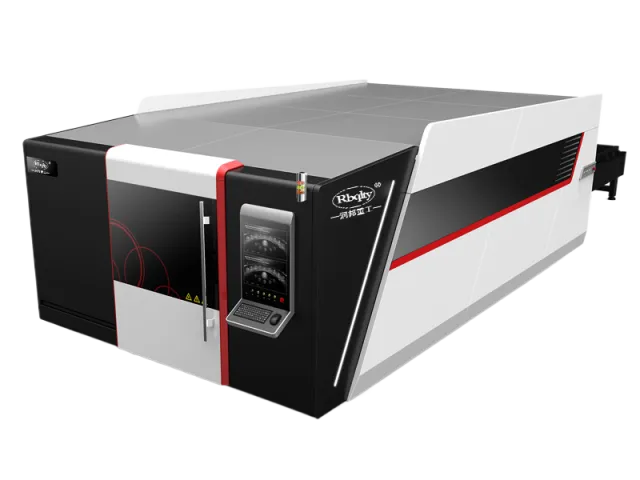
Sheet metal processing is essential to modern manufacturing, from producing automotive components to fabricating industrial enclosures. Manufacturers rely on cutting, bending, punching, and forming operations to turn flat metal sheets into functional parts with consistent dimensions and quality.
Choosing suitable sheet metal processing equipment helps manufacturers improve material utilization, maintain production consistency, and meet changing order requirements. Understanding its major applications also helps purchasing teams identify machinery that matches their production processes.
- Automotive Component Manufacturing
Automotive manufacturers use sheet metal processing to produce body panels, brackets, chassis components, and structural parts. Laser cutting machines create complex profiles, while press brakes form sheets into specified angles and shapes. Accurate processing helps components fit correctly during assembly and supports consistent production across batches.
- HVAC Ductwork Production
Heating, ventilation, and air conditioning systems require accurately fabricated ducts, fittings, and connecting components. Specialized duct-making machines support operations such as leveling, beading, cutting, and bending.
For HVAC manufacturers, selecting equipment according to sheet thickness, working width, and production volume is important. Automated processing can reduce manual handling and help maintain consistency across large orders.
- Electrical Cabinet and Enclosure Fabrication
Electrical cabinets, control panels, and industrial enclosures often require precise cutting, punching, and bending. Manufacturers use laser cutters to create openings and profiles, followed by press brakes to form the panels.
Accurate dimensions simplify assembly and help ensure that doors, mounting plates, and other components align correctly. Suitable tooling and repeatable processing are particularly valuable when producing multiple enclosure sizes.
- Construction and Architectural Metalwork
Construction projects use fabricated metal components in wall cladding, roofing systems, support structures, door frames, and decorative panels. Shearing machines prepare sheet blanks, while press brakes and grooving machines produce the required profiles.
Equipment selection depends on material thickness, panel dimensions, surface requirements, and production volume. Reliable processing helps manufacturers deliver components that meet project drawings and installation requirements.
- Aerospace Component Production
Aerospace manufacturing involves demanding material and dimensional requirements. Sheet metal processing equipment can produce selected brackets, panels, housings, and other formed components used in aircraft systems.
Manufacturers must carefully verify machine accuracy, material compatibility, process repeatability, and inspection procedures. Equipment alone cannot guarantee aerospace compliance; the complete manufacturing process must meet the applicable engineering and quality requirements.
- Shipbuilding and Marine Equipment
Shipyards and marine equipment suppliers process metal sheets for partitions, equipment housings, ventilation components, and selected structural assemblies. Cutting and forming machines help prepare parts for welding and installation.
For larger components, working length and material capacity are important purchasing considerations. Manufacturers should also account for material handling, corrosion-resistant material requirements, and the dimensions specified in engineering drawings.
- Agricultural and Engineering Machinery
Agricultural equipment and construction machinery contain guards, covers, brackets, frames, and structural panels made from sheet or plate metal. Shearing, laser cutting, punching, and bending support the production of these components.
The required machine capacity depends on material thickness and part geometry. Manufacturers handling both thin sheet and heavy plate should evaluate whether separate machines are more suitable than one machine intended to cover every operation.
- Industrial Machinery and Equipment Housings
Manufacturers of pumps, compressors, production lines, and industrial equipment need protective covers, mounting panels, and fabricated housings. Laser cutting supports detailed profiles, while press brakes form the panels and grooving machines prepare certain parts for controlled bending.
Integrating these processes can reduce repeated handling between workstations. Production planners should consider tooling compatibility, changeover time, and the ability to accommodate different product designs.
- Metal Furniture and Storage Systems
Metal furniture manufacturers produce cabinets, shelving, workbenches, lockers, and storage systems. Punching machines create mounting holes, shearing machines prepare blanks, and press brakes form edges and structural sections.
For high-volume production, repeatable positioning and efficient material feeding can improve consistency. For customized orders, flexible programming and quick setup changes may be more important than maximum output alone.
- Heavy-Duty Metal Fabrication
Industrial fabrication shops supply components for bridges, petroleum facilities, steel structures, and engineering projects. Their work may involve thick plates, large profiles, and customized parts requiring different cutting and forming processes.
In these applications, high-speed metal shearing machines can help prepare straight-edged blanks efficiently when the material and cutting specifications suit the machine. Buyers should verify rated thickness, cutting length, blade clearance, and operating cycle rather than judging performance by speed alone.
Choosing Equipment for Long-Term Production Needs
Across these industries, equipment selection should begin with the actual production requirements. Manufacturers need to compare material types, thickness ranges, component dimensions, accuracy expectations, output targets, and available workshop space.
Total ownership costs also matter. Tooling, maintenance, spare parts, operator training, and downtime can affect long-term productivity. When evaluating suppliers, buyers should request model-specific specifications and clarify installation and technical support arrangements.
RBQLTY supplies sheet metal processing machinery, including laser cutting machines, press brakes, shearing machines, punching presses, plate rolling machines, and other industrial equipment. It also offers OEM and ODM manufacturing to support customized requirements. Businesses can review its product range and discuss configurations suited to their manufacturing processes.
Conclusion
Sheet metal processing equipment serves diverse industries, including automotive, HVAC, aerospace, construction, marine, and heavy engineering. Each application places different demands on cutting capacity, forming accuracy, production speed, and flexibility.
By matching verified machine specifications to their operational needs, manufacturers can improve workflow efficiency, maintain consistent quality, and make more informed equipment investments.