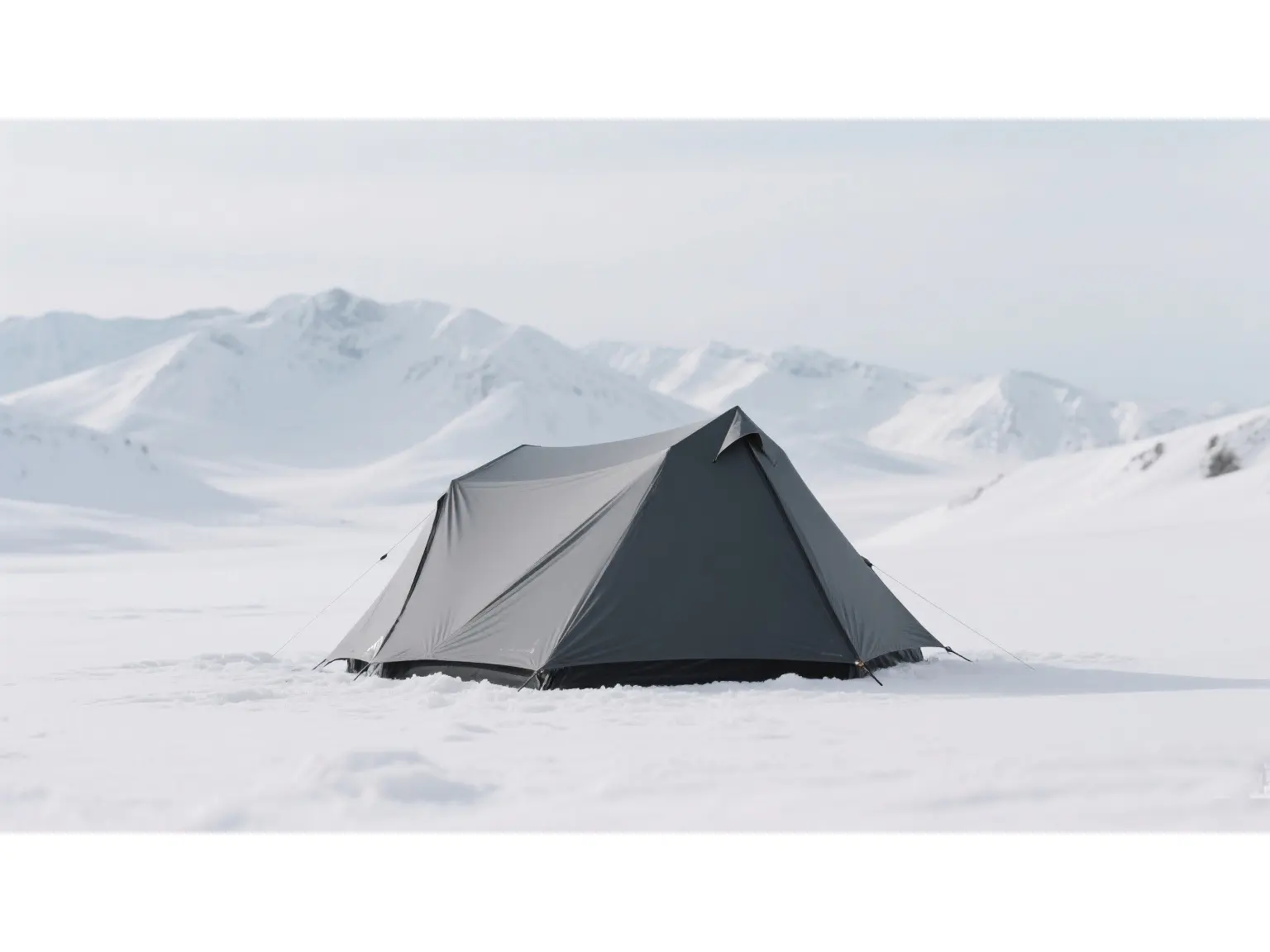
Outdoor equipment manufacturers are facing increasing demand for products that balance warmth, portability, and durability. Traditional insulated tent material solutions often rely on thick layers of padding or heavy insulation structures to reduce heat loss, but these approaches can increase weight and reduce convenience during transportation. As outdoor activities expand into more challenging environments, lightweight thermal technologies are becoming increasingly valuable. Y-Warm introduces a new approach by using advanced thermal insulation technology to help tents achieve efficient heat retention without depending on bulky layers.
The Challenge of Balancing Warmth and Weight in Tent Design
For tent manufacturers, thermal insulation has always been a critical design consideration. A tent must protect users from cold environments while remaining easy to carry, assemble, and store. Conventional insulation methods usually increase material thickness to create more air barriers, which can improve warmth but also add weight and reduce flexibility.
This challenge becomes more significant for professional outdoor applications, including camping equipment, expedition shelters, emergency protection systems, and portable structures. Users expect equipment that can perform reliably in cold conditions without creating additional transportation burdens.
An advanced insulated tent material needs to provide effective heat retention while maintaining a lightweight profile. This is where new-generation thermal solutions such as Y-Warm create opportunities for equipment designers to rethink traditional insulation methods.
Y-Warm Uses Advanced Structures to Improve Thermal Efficiency
Y-Warm is a functional textile engineered with extremely low density, an ultra-thin profile, and low thermal conductivity. Unlike traditional insulation materials that depend mainly on thickness, Y-Warm uses a nanoporous structure to help reduce heat transfer and improve thermal efficiency.
Nanoporous structures represent one of the most advanced thermal insulation solutions available today. By controlling the movement of heat through the material, they create an effective barrier against temperature changes while keeping the overall structure lightweight.
For insulated tent material applications, this technology offers significant advantages. Y-Warm can help reduce heat loss from the inside of a tent while limiting the impact of external cold conditions. This allows manufacturers to develop portable shelters that provide improved thermal protection without requiring excessive insulation layers.
Lightweight Thermal Protection for Outdoor Equipment
Outdoor equipment needs to perform across different environments, from everyday camping conditions to extreme weather situations. Weight reduction is especially important because outdoor users often need to carry all equipment over long distances.
Y-Warm provides a lightweight and soft insulation solution with extremely low thermal conductivity. When integrated into outdoor gear, it enhances heat insulation and thermal retention while maintaining easier handling and portability.
For tent manufacturers, incorporating Y-Warm into product structures can support the development of more compact and practical outdoor shelters. The material helps reduce dependence on thick insulation layers, allowing tents to become easier to transport, set up, and store.
This lightweight advantage can also benefit other outdoor applications, including sleeping bags, jackets, protective equipment, and portable thermal products that require efficient insulation performance.
Improving Tent Portability Without Sacrificing Thermal Performance
A major consideration for modern outdoor products is mobility. A highly insulated tent that is difficult to carry may not meet the expectations of today’s users. Manufacturers are increasingly looking for materials that allow them to reduce product weight while maintaining reliable protection.
As an innovative insulated tent material, Y-Warm helps address this requirement through its thin construction and efficient thermal barrier performance. Its extremely low thermal conductivity supports heat retention while allowing tent designs to remain lightweight.
Compared with traditional heavy insulation structures, Y-Warm enables tent manufacturers to explore slimmer product designs. These designs can be easier to pack, quicker to deploy, and more suitable for outdoor environments where portability is essential.
Moisture Management Supports Better Outdoor Comfort
Thermal insulation performance is only one part of outdoor comfort. Moisture accumulation inside tents can affect the user experience, especially during long-term use in changing weather conditions.
Y-Warm combines thermal insulation with moisture permeability and quick-drying properties. These characteristics help create a more balanced internal environment by supporting moisture control while maintaining warmth.
For insulated tent material applications, this combination provides additional value. A tent equipped with Y-Warm can offer not only protection against heat loss but also improved comfort management for users staying in outdoor environments for extended periods.
Expanding Thermal Applications from Extreme Cold to High Temperature Conditions
Outdoor equipment often needs to operate across a wide range of environments. Y-Warm is designed for applications requiring insulation and thermal protection across temperatures from -50°C to 150°C, making it suitable for various demanding scenarios.
Its adaptable performance allows manufacturers to consider Y-Warm for multiple product categories beyond tents. From outdoor shelters and protective gear to specialized thermal equipment, the material provides a flexible solution for industries seeking lightweight thermal technologies.
As outdoor product development continues to focus on efficiency and user experience, advanced insulation materials will play a greater role in creating next-generation equipment.
Y-Warm Brings Advanced Heat Shield Technology to Outdoor Applications
The future of outdoor insulation depends on achieving stronger thermal performance with thinner and lighter materials. Traditional approaches based on heavy insulation layers may limit portability, while advanced technologies provide new ways to improve warmth without unnecessary bulk.
Y-Warm is committed to upgrading and iterating its core technologies while expanding applications across different industry product lines. As a functional textile with ultra-thin construction, low thermal conductivity, and moisture management capabilities, Y-Warm provides an advanced solution for insulated tent material development and other thermal protection applications.
For outdoor equipment manufacturers seeking to create lighter, more efficient, and more comfortable products, Y-Warm offers innovative thermal insulation solutions designed for modern demands. Contact Y-Warm today to explore how its advanced heat shield fabric technology can enhance your next-generation outdoor product designs.