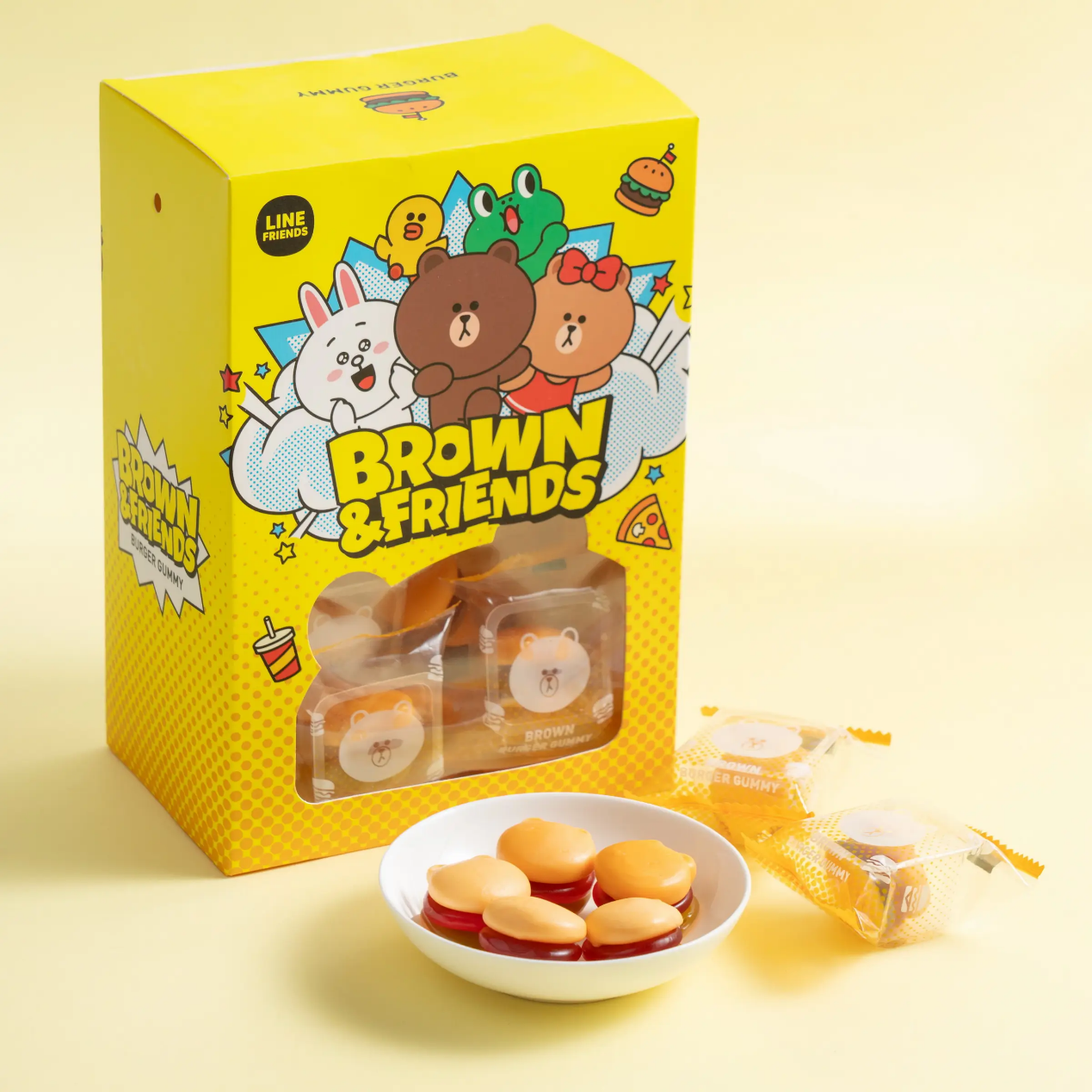
Food-shaped candy gives a familiar snack an instantly recognizable twist. A gummy shaped like a burger, fruit, or another everyday object communicates its concept before shoppers read the label. On image-led platforms and short-form video feeds, novelty sweets are easy to photograph, demonstrate, and share. For retailers, importers, and distributors, the opportunity is to identify products with shelf appeal and a realistic path from online attention to repeat orders.
Why Unusual Shapes Work in Social Feeds
Social media favors products that can be understood in seconds. Distinctive colors, recognizable outlines, and a playful contrast between appearance and taste give creators an easy subject for an unboxing, close-up, or taste test. Food-shaped candy fits this format because several pieces can be arranged into a scene without elaborate preparation.
These posts invite participation. Viewers may tag friends, share a clip, or look for a similar product for a party or gift. Not every attractive candy becomes a trend, and views alone do not prove purchase intent. Still, repeated exposure can introduce unfamiliar products to shoppers who might overlook them in a conventional confectionery aisle. Retailers can test a small assortment before committing to larger volumes.
Short videos can show a product’s colors, shape, and packaging more clearly than a static listing. Comments may reveal questions about pack count or flavor, helping retailers improve product descriptions and prepare sales teams with useful answers.
From Online Attention to Commercial Demand
For B2B buyers, social engagement is best treated as an early indicator rather than a sales forecast. A product may attract attention because it looks unusual, yet still underperform if its price, flavor, package size, or availability does not suit the target market. Before expanding the assortment, distributors should compare visual appeal with retail price points, case quantities, shelf-life information, packaging durability, and the supplier’s ability to maintain consistent batches.
A wholesale candy supplier can support this evaluation by offering clear product details and options that fit different channels. Product titles and category descriptions should identify the shape clearly; a phrase such as burger gummy shaped candy is most useful when paired with concrete details like pack size and format. Convenience stores may favor compact impulse packs, while candy shops and seasonal gift retailers may prefer larger formats. Buyers should consider whether the product fits a checkout display, novelty-sweets section, or promotional bundle. These decisions help translate social media interest into a retail plan.
Why Burger Gummies Are Easy to Recognize
Burger-shaped gummies show how food-inspired design can work. The familiar silhouette becomes a sweet surprise, giving creators a clear visual to reveal on camera. Retailers can also build themed displays around playful foods rather than relying on flavor alone to distinguish products.
A range of burger gummy shaped candy formats can serve different merchandising needs. Available options include a 15 g boxed gummy burger, an 18 g four-piece pack with natural colors, a 50 g five-piece format, a 90 g giant burger, and heart-shaped burger gummies for Valentine’s Day. These examples show how one concept can be offered in different sizes and pack styles. Distributors can assess which versions suit their channels, price points, and local preferences.
Customization and Packaging Matter After the Click
A compelling image may win the first look, but product and packaging decisions influence what happens next. Clear labels, readable product names, suitable pack sizes, and a strong front-panel visual help shoppers understand what they are buying. Buyers serving several markets should confirm which elements can be customized, such as artwork, shape, flavor, or assortment. Plan customization early because changes affect sampling, artwork approval, lead times, and minimum order quantities.
HAPI’s website describes custom-shaped gummy production, private-label manufacturing, bulk supply, and customization of flavors, shapes, and packaging. Buyers considering a new line should request specifications and samples, then review taste, texture, color consistency, and package performance before placing a larger order. Sampling helps confirm that the candy looks as appealing in person as it does online.
For distributors serving several regions, customization should reflect commercial needs rather than novelty alone. Local language, preferred pack sizes, seasonal artwork, and channel requirements can shape the brief. Agreeing on priorities early helps purchasing teams compare proposals fairly.
Turning Seasonal Interest into a Repeatable Plan
Food-shaped sweets can fit seasonal campaigns because one playful concept can suit different occasions. Heart-shaped burger gummies may fit Valentine’s displays, while other novelty shapes can be considered for Halloween, Easter, Christmas, birthdays, and party favors. The best fit varies by country, custom, and retail format, so buyers should use local sales history and customer feedback.
Social and purchasing teams can assess interest together. Track saves, comments, inquiries, and clicks, then compare them with sell-through after launch. Test orders, limited-time displays, and bundles can show which formats, and price points resonate. If demand holds, reorder based on observed results rather than a single spike in views. Use feedback to guide future content: show the pack clearly, demonstrate the shape, and answer common questions. Keep claims factual and ensure images accurately represent the product delivered to stores.
Build Assortments Around More Than Virality
Social media can make food-shaped candy more discoverable, but lasting value still depends on taste, quality, reliable supply, and local fit. Distributors should test distinctive products, verify specifications, and measure retail performance before scaling up. Working with HAPI offers a way to explore shaped-gummy and private-label options. A capable wholesale candy supplier should combine product development with clear communication and dependable order planning.