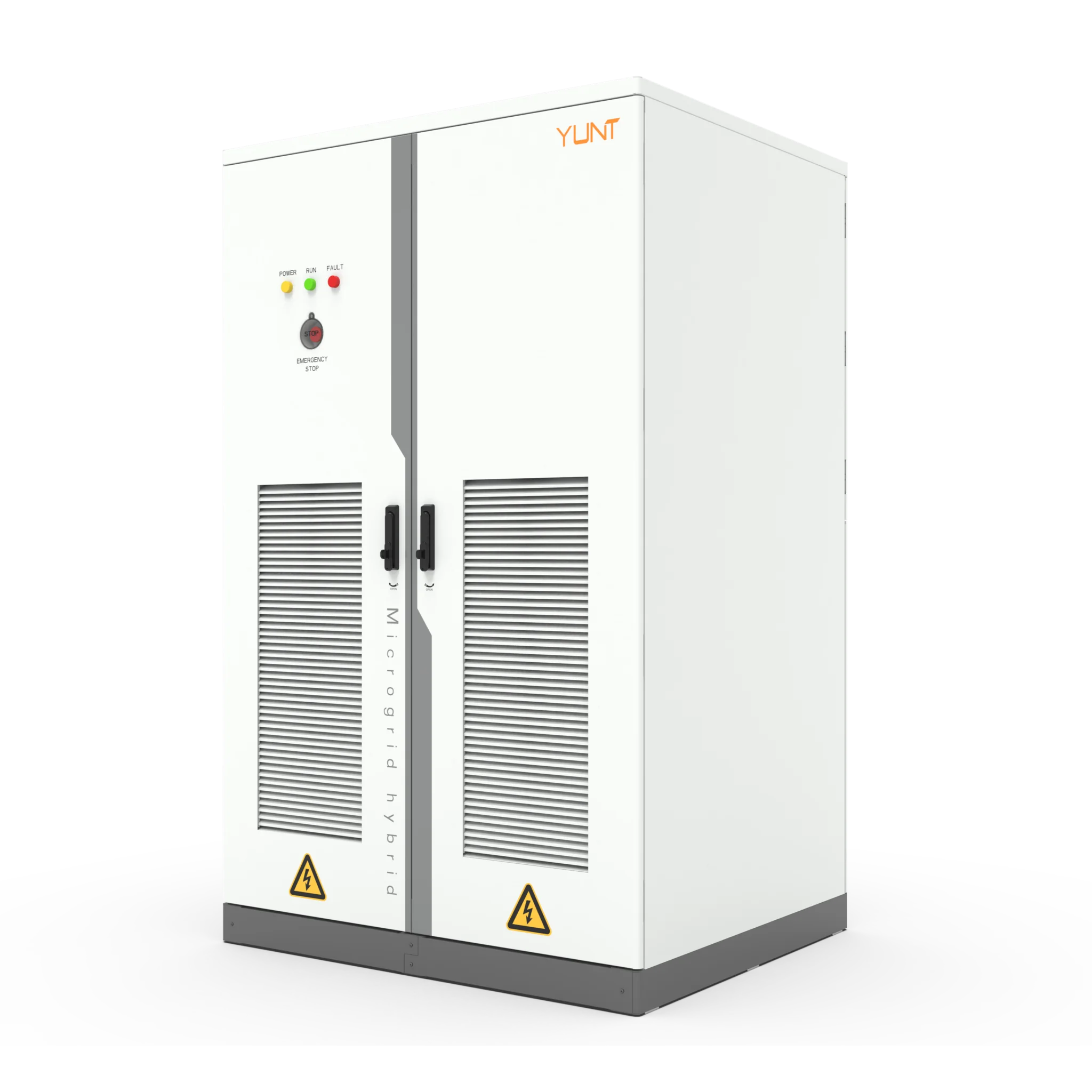
Automotive assembly lines, steel processing mills, and heavy chemical plants operate large three-phase electrical networks. Heavy single-phase loads, induction furnaces, automated arc welders, and large motor start cycles create severe phase load imbalances across facility distribution networks. Partnering with an experienced hybrid PV inverter manufacturer allows plant engineers to deploy advanced architectures that compensate for asymmetric loads and protect sensitive machinery. Persistent phase unbalance generates neutral line currents, transformer core saturation, and counter-torque in electric motors. Facility managers require fast-acting active phase balancing to protect expensive equipment, avoid unexpected production halts, and eliminate utility phase unbalance penalties.
The Physics and Financial Toll of Severe Phase Imbalances
When electrical loads are unequally distributed across a three-phase system, the vector sum of the currents no longer equals zero, forcing the residual current to flow back through the neutral conductor.
This unbalanced flow is not merely an efficiency drain; it actively degrades physical electrical infrastructure.
Induction motors operating under unbalanced voltages experience a negative-sequence magnetic field that opposes their natural rotation, inducing counter-torque that generates extreme localized thermal stress. For every 10°C rise in winding temperature above rated limits, the operational lifespan of a critical motor is halved.
Furthermore, voltage imbalances trigger premature tripping of circuit breakers and accelerate transformer degradation due to core saturation. In metropolitan commercial zones, utility providers penalize facilities that inject substantial zero-sequence currents.
Mitigating these dynamic imbalances requires active, sub-cycle compensation. Rather than dissipating excess energy as heat, intelligent energy architectures dynamically shift active and reactive power between phases, utilizing on-site battery storage arrays and photovoltaic arrays to smooth local demand profiles.
These intelligent systems also improve overall equipment utilization by reducing unnecessary electrical stress, allowing manufacturers to maintain stable production schedules and avoid costly interruptions.
The Architectural Capabilities of a Modern Industrial Hybrid Inverter
At the core of modern active phase-balancing systems is the three-phase, four-wire inverter topology. Traditional three-wire configurations are physically incapable of routing neutral currents, leaving them ill-equipped to resolve severe asymmetric load profiles.
By integrating industrial-grade hybrid inverter equipped with independent phase-control loops and dedicated neutral connections, facilities can actively regulate phase voltages. These systems utilize high-speed digital signal processing (DSP) to sample voltage and current waveforms at kilohertz frequencies, calculating the instantaneous symmetrical components of the load in real time.
If phase A experiences a sudden voltage sag due to single-phase motor startup, the system’s control algorithm instantly commands the internal power electronics to inject active power from the DC bus into that specific phase. Simultaneously, the other phases can continue charging local battery banks or supplying power to unaffected loads.
This bidirectional capability ensures that the utility meter registers a perfectly balanced load, eliminating demand-charge penalties and optimizing overall round-trip efficiency (RTE).
Modular Hardware Scaling and International Grid Integration
Implementing dynamic power compensation at a multi-megawatt industrial site requires high-density hardware capable of scaling alongside expanding operations. Centralized, monolithic inverter configurations introduce unacceptable single-point-of-failure risks to continuous assembly lines.
Consequently, modern electrical engineering layouts prioritize modular designs where smaller, standardized power blocks operate in parallel. Stacking hot-swappable modules across standardized modular PCS configurations ensures that if a single unit requires maintenance, the parallel blocks seamlessly redistribute the active load without shutting down local operations.
This modular approach significantly decreases the system’s Mean Time to Repair (MTTR) and simplifies shipping logistics. To facilitate global deployment, system integrators must select equipment that meets the most rigorous safety and grid-connection benchmarks.
Achieving compliance and certifications across 18 countries—including respected standards such as German VDE, EU CE, SGS, and TÜV, along with UK G99 and Spain UNE 217002 grid-connection approvals—guarantees that the modular conversion hardware can operate safely within complex international distribution networks.
Empowering Industrial Infrastructure with Intelligent Load-Balancing Tech
Navigating complex multi-energy microgrids requires advanced hardware designed for reliability, flexibility, and long-term efficiency. Certified modular conversion architectures enable industrial enterprises to improve energy resilience while reducing operational costs.
Backed by over 16 years of power electronics expertise, YUNT provides high-performance 125 kW modular solutions supported by extensive R&D capabilities and international certifications. These systems help integrators optimize energy storage deployment and support the transition toward a smarter, low-carbon industrial future.