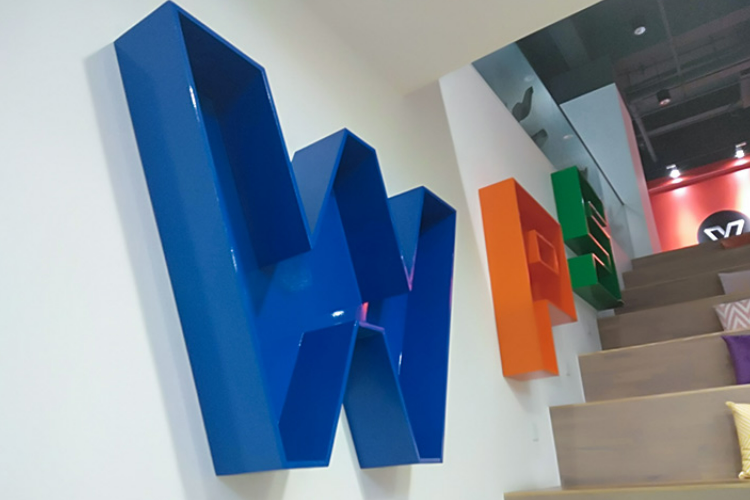
Choosing the right signage involves more than selecting a font, color, or material. Commercial property owners, architects, and signage contractors must consider visibility, architectural compatibility, installation conditions, and ongoing operating requirements. Front-lit, halo-lit, and non-lit 3D channel letters offer different approaches to presenting a brand. Understanding their functional differences helps project teams select a solution that fits the building, the viewing environment, and the intended brand identity. COSUN SIGN provides customized dimensional lettering options for commercial applications, including illuminated and non-illuminated designs.
Front-Lit Letters: Prioritizing Direct Visibility
Front-lit signage directs light through the front face of each letter, making the text and logo visible through an illuminated surface. This configuration is worth considering for storefronts, shopping centers, and commercial buildings where signs need to remain identifiable during evening hours or in areas with limited ambient lighting.
When evaluating front-lit 3D letters, project teams should examine face materials, color consistency, letter dimensions, and the relationship between illumination and the surrounding environment. The brightness of a sign must remain appropriate for its location, rather than overpowering nearby architectural features or competing signs.
The design process should also account for viewing distance and the complexity of the lettering. Fine strokes, narrow spaces, and intricate logos may require adjustments to maintain legibility. A well-planned front-lit design balances the brand’s visual requirements with practical fabrication and installation considerations.
Halo-Lit Letters: Using Reflected Light
Halo-lit lettering creates a different visual effect by directing light toward the mounting surface behind each letter. The reflected illumination forms a surrounding glow, while the front face can retain a metallic, painted, or otherwise non-translucent appearance. This approach can suit corporate reception areas, hotel entrances, premium retail environments, and architectural signage.
For halo-lit 3D channel letters, the background surface becomes part of the overall lighting design. Its color, texture, reflectivity, and distance from the letters influence how the glow appears. Uneven surfaces or unsuitable background colors can affect the consistency of the illuminated outline, so these conditions should be reviewed before production.
Installation planning is equally important. The mounting method, letter depth, electrical access, and spacing from the wall should be coordinated with the project drawings. Halo lighting is not automatically more suitable for every premium application; its effectiveness depends on the building surface, ambient conditions, and desired visual hierarchy.
Non-Lit Letters: Emphasizing Material and Form
Non-lit lettering uses dimensional construction, surface treatment, and shadows to establish visual presence without integrated illumination. It can be appropriate for office interiors, daytime storefronts, building directories, reception walls, and locations where existing architectural lighting already provides sufficient visibility.
For non-lit 3D letters, material selection directly influences the final appearance. COSUN SIGN offers aluminum and stainless steel options, with finishes that include brushed, polished, painted, and coated surfaces. These choices allow project teams to coordinate signage with metal cladding, interior finishes, corporate colors, and other architectural elements.
The absence of integrated lighting also eliminates the sign’s own illumination-related electricity consumption and reduces the need to maintain lighting components. However, non-lit lettering still requires appropriate fabrication, secure mounting, and routine inspection where environmental exposure or frequent contact may affect its condition.
Comparing the Three Options Against Project Requirements
The most useful comparison begins with the intended function rather than a preference for a particular lighting effect. Front-lit letters emphasize illuminated faces, halo-lit letters create reflected light around their outlines, and non-lit letters rely on physical depth and material finishes.
Project teams should evaluate several practical factors before approving a design. These include the sign’s viewing distance, daytime and nighttime visibility requirements, mounting surface, available electrical infrastructure, maintenance access, and total project budget.
The distinction between initial cost and long-term operating requirements also matters. Illuminated signage involves electrical components and potential maintenance of the lighting system, while non-lit alternatives avoid those specific requirements. Actual costs depend on the dimensions, materials, construction method, installation conditions, and local labor rates.
Design consistency should remain a separate consideration. A business with multiple locations may need a coordinated signage specification that accommodates different building facades while preserving consistent lettering proportions, finishes, and brand colors. Establishing these requirements early can simplify procurement and reduce inconsistencies between sites.
Fabrication and Installation: Details That Affect Results
A lighting concept only works when the physical construction supports it. Dimensional accuracy, clean edges, consistent finishes, and suitable mounting arrangements influence the finished appearance of channel lettering. Double-sealed construction is one option for projects requiring clearly defined three-dimensional forms, although the appropriate structure depends on the specific design and application.
Before fabrication begins, purchasers should confirm the approved artwork, letter dimensions, material specifications, surface finish, lighting configuration, cable routing where applicable, and mounting details. Drawings and samples can help stakeholders review these elements before production commitments are made.
Outdoor projects require particular attention to environmental exposure. Material selection, sealing details, mounting hardware, and installation methods should be assessed against the actual site conditions. No single construction method guarantees suitability for every climate or building surface.
Quality inspection should therefore address the requirements established for the individual project. Reviewing dimensional accuracy, finish consistency, assembly quality, and electrical operation where applicable provides a clearer basis for acceptance than relying on appearance alone.
Building a Consistent Signage Specification with COSUN SIGN
Selecting between front-lit, halo-lit, and non-lit lettering requires a clear understanding of how the sign will function within its architectural and commercial setting. The best choice depends on visibility requirements, material preferences, maintenance considerations, installation constraints, and the visual character of the brand.
COSUN SIGN manufactures customized 3D channel letters and metal lettering for storefronts, offices, hotels, retail locations, and commercial buildings. Its product options include aluminum and stainless steel constructions, multiple surface finishes, illuminated and non-illuminated configurations, and mounting approaches suited to different project requirements.
COSUN SIGN also provides design support, fabrication, and in-house quality inspection, with customization based on customer logos, drawings, or artwork. By defining project requirements before production and matching the lettering construction to the intended application, buyers and project partners can make more informed decisions about dimensional signage for indoor and outdoor commercial environments.