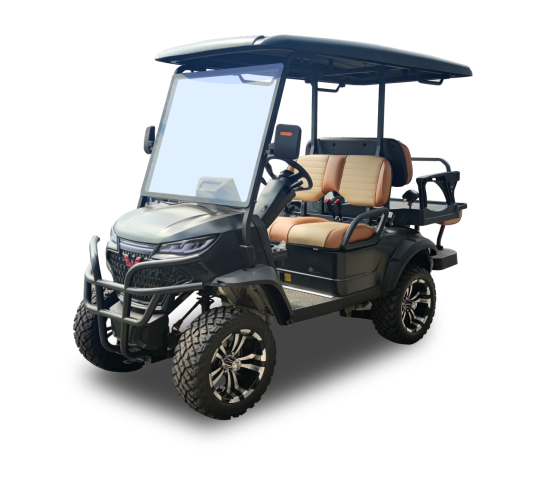
Guest transportation in hotels, resorts, scenic areas, and large leisure properties is part of the service experience. The vehicle must be quiet, safe, easy to board, and suitable for repeated short trips. A commercial vehicle used for hospitality should help guests feel guided and comfortable, not simply moved from one point to another.
Custom electric golf carts can meet this need when they are configured around property layout, terrain, passenger flow, and brand standards. Wuling Motors is relevant to this discussion because its vehicle-related offerings include electric golf carts, sightseeing vehicles, commercial vehicles, and engineering capabilities that can support tailored vehicle customization for professional operators.
Unlike private recreational carts, hospitality vehicles are part of a managed service system. They may carry guests to villas, restaurants, parking lots, beaches, exhibition halls, or scenic viewpoints. The experience should feel organized and safe even when demand changes during the day.
Comfort and Control in Guest-Facing Mobility
Hospitality transportation usually happens at low or moderate speeds, often near pedestrians, gardens, entrances, and luggage areas. Custom electric golf carts should therefore provide smooth acceleration, stable braking, suitable seating, and clear visibility for drivers. A pleasant ride can influence how guests judge the property.
Noise is also important. Electric operation helps reduce disturbance in resorts, campuses, and scenic zones where guests expect a calm environment. A commercial vehicle in these areas must respect the atmosphere of the site while still keeping transport efficient during peak check-in or event periods. Accessibility should be considered early.
Some properties need easier boarding steps, handholds, luggage space, weather covers, or seating arrangements for families and elderly guests. Custom electric golf carts are most useful when their layout reflects real passenger needs instead of a standard recreational design. Wuling Motors’ experience with different vehicle categories supports this practical approach.
The goal is not only to supply a cart, but to help the customer choose a configuration that works with route length, slopes, loading zones, charging areas, and daily service rhythm. Ride quality is closely tied to property reputation. Guests may remember a rough, noisy, or cramped transfer even if the distance is short. A commercial vehicle selected for hospitality should therefore be evaluated for suspension comfort, seating angle, entry height, and driver control.
Customization for Property Operations
A resort on hilly terrain may need stronger climbing ability and braking confidence. A hotel with short flat routes may prioritize passenger comfort, quiet movement, and appearance. A scenic area may need durable seating, clear lighting, and reliable range for all-day use. Each property defines custom electric golf carts differently.
Commercial vehicle planning should include maximum speed, range, frame material, passenger capacity, turning radius, and charging time. Property managers also need to decide whether the cart will carry luggage, service supplies, security staff, or maintenance equipment. These choices affect specification. Brand presentation can be part of customization.
Exterior color, logo placement, canopy design, and interior material can help the vehicle fit the visual identity of a resort or hospitality group. However, appearance should not override safety, durability, and serviceability. Wuling Motors can support professional customers by aligning vehicle specifications with actual operating requirements.
For customized production programs, customization should be documented clearly so that design, production, maintenance, and future replacement units remain consistent. Custom features should be prioritized by actual use. Luggage racks are important for hotels, while stronger climbing ability may matter at hillside resorts. Scenic areas may value durable canopies and passenger visibility.
Custom electric golf carts should be configured around these details, not generic decoration. Procurement teams should also think about fleet appearance over time. Materials should be easy to clean, weather resistant, and suitable for frequent boarding. If custom electric golf carts carry a property logo, the finish should remain presentable under daily service conditions.
Reliable Service Across Repeated Short Trips
Hospitality vehicles often repeat the same route many times a day. This pattern rewards electric drive because charging can be scheduled and energy use can be predictable. Custom electric golf carts should be selected with enough range to cover peak demand without forcing inconvenient mid-service charging. Maintenance access matters as well.
A commercial vehicle that carries guests cannot be unavailable without affecting service quality. Operators should plan cleaning, charging, inspection, tire checks, and battery review as part of daily routines. Driver training supports the guest experience. Smooth operation, safe speeds, correct loading, and clear communication make custom electric golf carts feel professional.
The vehicle is only one part of the service system, but it is often the part guests remember. Operational planning includes vehicle rotation. Properties may need some carts charging while others remain in service. A well-designed schedule prevents guests from waiting during peak times and helps batteries avoid unnecessary stress.
When chosen carefully, tailored low-speed vehicles can make hospitality transport quieter, more organized, and more aligned with the property environment. For Wuling Motors, the strongest value lies in helping commercial customers match vehicle configuration with terrain, passenger flow, operating cost, and the level of service their guests expect.