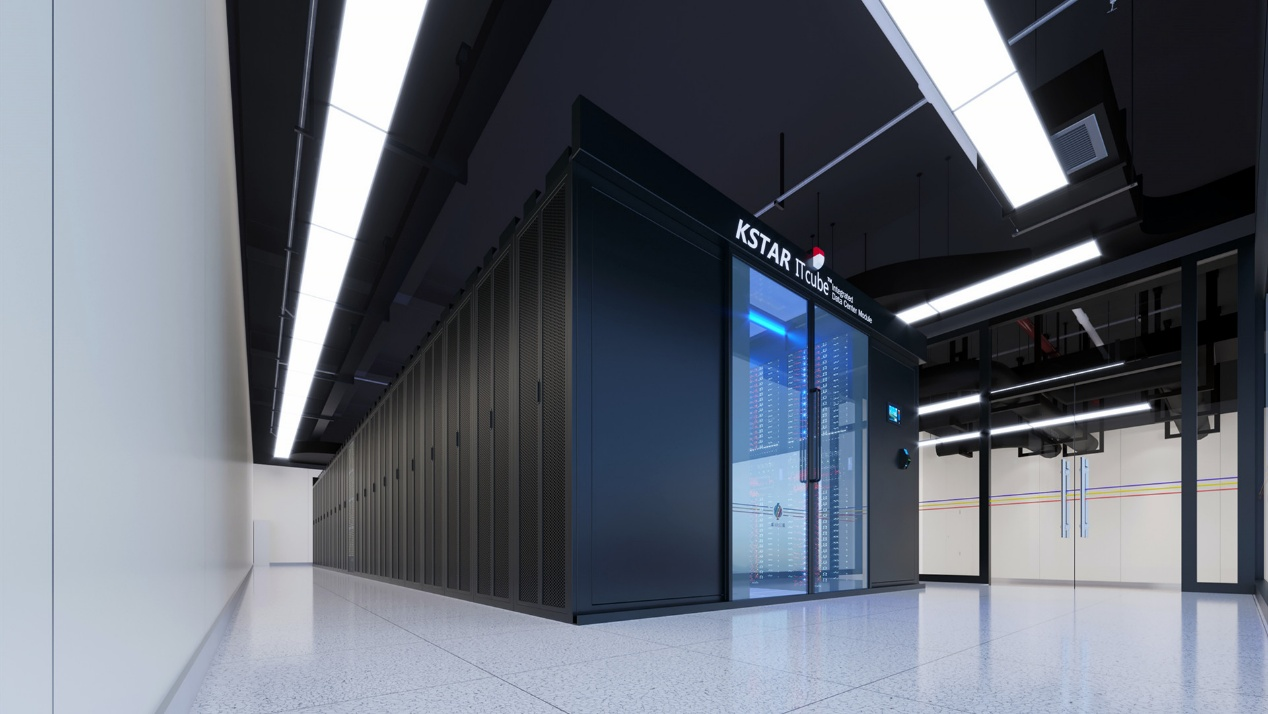
Planning a modular data center requires a broader financial view than comparing equipment prices alone. IT capacity, power protection, cooling, site conditions, integration, monitoring, deployment, and future expansion can all influence project costs. A well-structured evaluation should consider both initial capital expenditure and long-term operating requirements so that infrastructure investment remains aligned with actual business needs.
Start With IT Capacity and Rack Requirements
The first major cost driver is the amount and density of IT equipment the facility needs to support. A small edge deployment, an enterprise server room, and a high-density data center can have significantly different infrastructure requirements. Rack quantity, power demand per rack, expected growth, and available physical space all affect the scale of the project.
Capacity planning is therefore essential before selecting modular architecture. Buying substantially more infrastructure than the current workload requires may increase unused capacity and capital costs, while underestimating demand can create expensive modifications later. KSTAR provides modular data center solutions within a broader portfolio covering UPS, batteries, precision air conditioning, photovoltaic solutions, and energy storage, allowing project teams to consider power and environmental requirements as part of the wider infrastructure design.
Power Infrastructure Can Increase or Reduce Project Complexity
Reliable power is fundamental to any data center, and electrical architecture can represent a significant part of the investment. UPS systems, batteries, power distribution equipment, monitoring, and redundancy arrangements all contribute to the total cost.
The required level of availability should guide the design. A facility supporting highly sensitive workloads may need additional redundancy, while a less critical installation may operate with a simpler configuration. Battery technology and backup duration also affect the budget. Instead of selecting electrical equipment independently, buyers should evaluate how the complete power chain will operate together and whether the architecture provides an appropriate balance between resilience and cost.
Cooling Design Has a Direct Financial Impact
Cooling requirements are closely connected to IT load and rack density. As servers and other equipment consume more power, they generate more heat that must be removed continuously. This makes cooling capacity an important part of both capital expenditure and operating expenditure.
Climate, building conditions, rack arrangement, and target energy performance can influence the cooling design. A larger or more sophisticated cooling system may require greater upfront investment, but the long-term energy impact is equally important. Because cooling operates continuously, inefficient equipment can add substantial costs over the operating life of the facility. Cost planning should therefore examine not only the purchase price of cooling equipment but also its expected energy consumption and maintenance needs.
The Level of Modular Integration Matters
One reason organizations consider modular data centers is the possibility of integrating multiple infrastructure components into a coordinated design. Power, cooling, racks, monitoring, and related systems can be planned as part of a unified architecture rather than being developed as entirely independent installations.
Greater integration can simplify engineering coordination and deployment, but customization can also increase costs. Special layouts, unusual environmental conditions, additional monitoring functions, or application-specific requirements may require more engineering work. Buyers should distinguish between customization that solves a genuine operational requirement and modifications that add complexity without delivering meaningful value. Standardization can often make procurement, installation, and future maintenance more predictable.
Site Conditions Affect the Final Budget
Although modular systems can streamline deployment, the installation site remains a major cost factor. Existing electrical connections, structural conditions, available floor space, transportation access, local regulations, and environmental requirements can all influence project expenditure.
A site with suitable infrastructure may need relatively limited preparation, while another location could require additional electrical work, structural reinforcement, environmental adaptation, or specialized installation. Geographic factors may also affect transportation and labor costs. For projects deployed in multiple regions, local requirements should be incorporated into the initial financial assessment instead of being treated as unexpected costs during implementation.
Deployment Speed Can Influence Total Project Economics
Project cost is not only about what the infrastructure costs to purchase. The time required to install and commission the system can also affect the financial outcome. Extended construction periods may delay the point at which an organization can use its new computing capacity and may increase labor or project-management expenses.
A modular approach can help standardize parts of the deployment process and reduce some of the complexity associated with conventional site construction. Faster installation can be particularly valuable when businesses need additional capacity within a limited schedule. However, actual deployment time depends on site readiness, system configuration, logistics, testing, and local installation conditions, so these factors should remain part of the project plan.
Monitoring and Operational Systems Add Long-Term Value
A modern data center requires visibility into equipment status, environmental conditions, energy consumption, and potential alarms. Monitoring systems can therefore form an important part of the infrastructure budget.
Additional functions such as access control, fire protection, environmental sensors, and centralized management may also contribute to the initial cost. These systems should not automatically be viewed as unnecessary additions. Effective monitoring can provide operational teams with information needed for preventive maintenance and faster response to abnormal conditions. The more critical the facility is, the more important it becomes to evaluate monitoring costs against their role in maintaining operational continuity.
Future Expansion Should Be Included in the Initial Calculation
Business requirements can change quickly. More servers may be added, workload density may increase, or a company may require additional computing capacity in a new phase of development. A modular data center should therefore be evaluated not only for what it can support immediately but also for how easily it can adapt later.
This is an important consideration when planning Infrastructure for Data Centers. Designing for expansion may involve additional power headroom, cooling capacity, floor space, or modular provisions. While these features can increase the initial budget, they may also reduce the need for major reconstruction when demand grows. A lifecycle perspective can make these trade-offs easier to evaluate.
Comparing Capital Expenditure with Lifecycle Cost
The initial quotation rarely reflects the entire financial impact of a data center. Electricity consumption, maintenance, battery replacement, spare parts, cooling operation, staffing, and future upgrades can all contribute to total cost of ownership.
A more useful procurement process compares these expenses alongside initial capital expenditure. Energy efficiency can influence ongoing operating costs, while accessible equipment layouts can affect maintenance effort. Modular expansion can also change the timing and scale of future investments. Looking at these factors together provides a clearer understanding of whether a proposed solution remains economically viable throughout its expected operating life.
Creating a More Predictable Investment Strategy
The cost of a modular data center is shaped by multiple interconnected factors rather than a single equipment price. IT capacity, electrical infrastructure, cooling, integration, site preparation, deployment, monitoring, and future scalability all deserve attention during planning.
Organizations can make more informed decisions by defining operational requirements first and then evaluating each cost component against reliability, efficiency, maintainability, and future growth. This approach helps create a budget that reflects the real economics of the facility and supports infrastructure decisions that remain practical beyond the initial installation.