A reliable eyewear manufacturing partner should be assessed through more than product appearance or unit price. For brands and distributors, practical questions include whether a supplier can translate a design into repeatable production, maintain defined quality controls, communicate clearly, and support applicable market requirements.
In 2026, these capabilities matter alongside manufacturing experience because buyers increasingly need flexible product development and well-documented production processes.
Long-term partnerships built on transparent communication and consistent output can mitigate procurement risks while supporting brands in achieving scalable and reliable growth.
Does the Manufacturer Control the Development Process?
An OEM supplier becomes more useful when development is handled through a connected process rather than disconnected vendors. Concept development, 3D modeling, mold making, sampling, production, assembly, and quality control need to communicate with one another. When one manufacturer coordinates these stages, changes made during development can be evaluated before they create complications in later production.
This is particularly relevant to sports eyewear, where lens shape, frame geometry, materials, straps, foam, and other components need to work together. A manufacturer with design and production capabilities can help buyers identify practical constraints earlier, reducing avoidable revisions after tooling or sampling.
How Should Quality Management Be Verified?
Quality claims are more useful when they are linked to defined processes and documentation. ISO 9001:2026, published by the International Organization for Standardization in September 2026, sets requirements for establishing, maintaining, and continually improving a quality management system. For an OEM buyer, certification can therefore be one part of supplier due diligence, alongside product inspections, documentation, and contractual quality requirements.
Product-specific standards can be equally important. ISO 18527-1:2021 specifies requirements and testing for downhill skiing and snowboarding goggles, covering materials, performance, marking, and information supplied by manufacturers. Buyers serving winter-sports markets should identify which applicable standards their products need to meet and confirm the evidence supporting those requirements.
What Production Capacity Should Buyers Examine?
Factory size alone does not prove production reliability. Buyers can examine whether a supplier has suitable equipment, experienced personnel, stable production processes, and the capacity to move from samples to repeat orders. It is also useful to understand how the manufacturer handles customization because private-label eyewear may involve changes to colors, branding, components, packaging, or tooling.
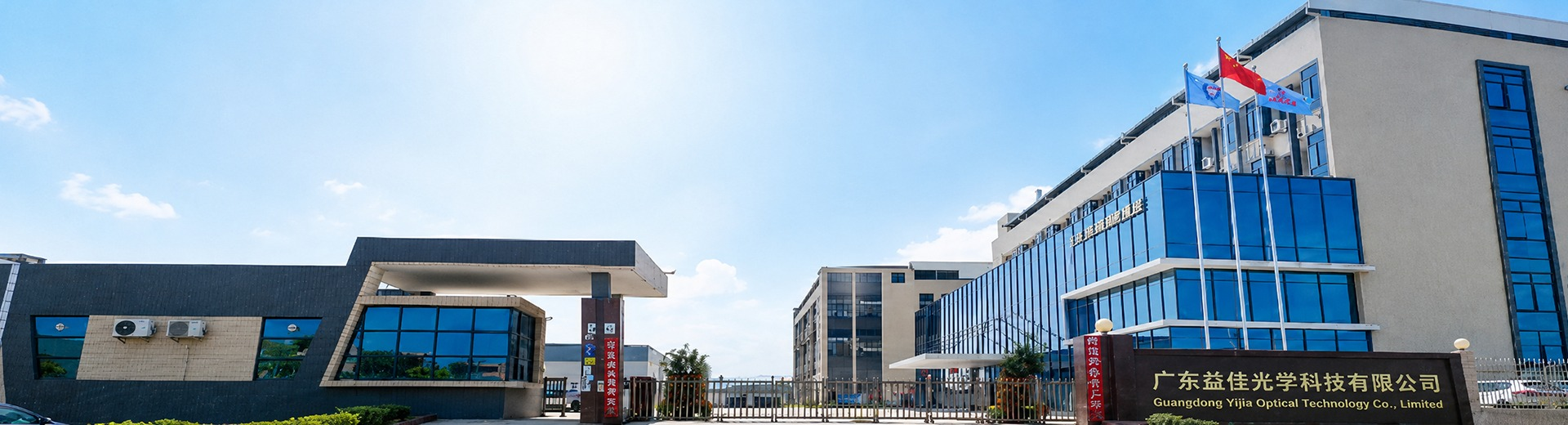
YIJIA Optical serves global brands, distributors, and wholesalers with OEM and ODM services for sports eyewear, from concept development and 3D design to mold making, lens and frame manufacturing, sampling, mass production, assembly, and quality control.
Why Does Communication Matter in OEM Projects?
A production partner can have suitable machinery and still create difficulties if communication is slow or product information is unclear. OEM projects involve drawings, specifications, samples, revisions, quotations, approvals, and production instructions. A defined communication process helps keep the commercial agreement and physical product aligned as the project develops.
Change management is another useful checkpoint. A manufacturer can record approved specifications and revisions so that the sample, tooling, and production stages follow the same requirements. This becomes especially important when a brand modifies a frame, lens, or finish after an initial prototype. Clear revision control can reduce the likelihood of an approved change being overlooked during handoff between teams.
YIJIA Optical supports low-MOQ or small-batch custom projects as well as scalable production for larger orders. For a brand testing a new eyewear concept, this flexibility can be relevant because the sourcing model may change between initial sampling, market testing, and repeat production.
How Can Buyers Assess a Ski Eyewear Supplier?
When comparing ski goggles suppliers, buyers can look beyond catalog variety. Review the manufacturer’s development process, customization scope, quality system, applicable standards, communication model, and ability to support repeat production. Product samples can then be checked against approved specifications before a larger order is placed.
Searches for “best ski goggles brands” may help consumers discover products, but B2B buyers have a different question: which manufacturing partner can consistently deliver the specifications their own brand requires? That shifts the evaluation from public brand visibility toward production evidence, documented requirements, and supplier responsiveness.
What Should Brands Look for in an OEM Eyewear Partner?
The practical benchmark is consistency from design through delivery. An OEM partner should be able to explain how a product moves through development, how quality requirements are controlled, what standards apply, and how customization is managed. These details are more informative than broad claims about manufacturing status or product quality.
For brands developing OEM ski goggles or other sports eyewear, YIJIA Optical combines a long production history with a broad OEM and ODM development scope. Its stated capabilities provide a framework for buyers to evaluate a supplier based on manufacturing process, customization support, and quality management rather than price alone.
Choosing an eyewear manufacturer is ultimately a supplier-assessment exercise. Reviewing process control, applicable standards, manufacturing capability, communication, and documented product requirements gives buyers a clearer basis for comparing OEM eyewear manufacturers and building longer-term production relationships.