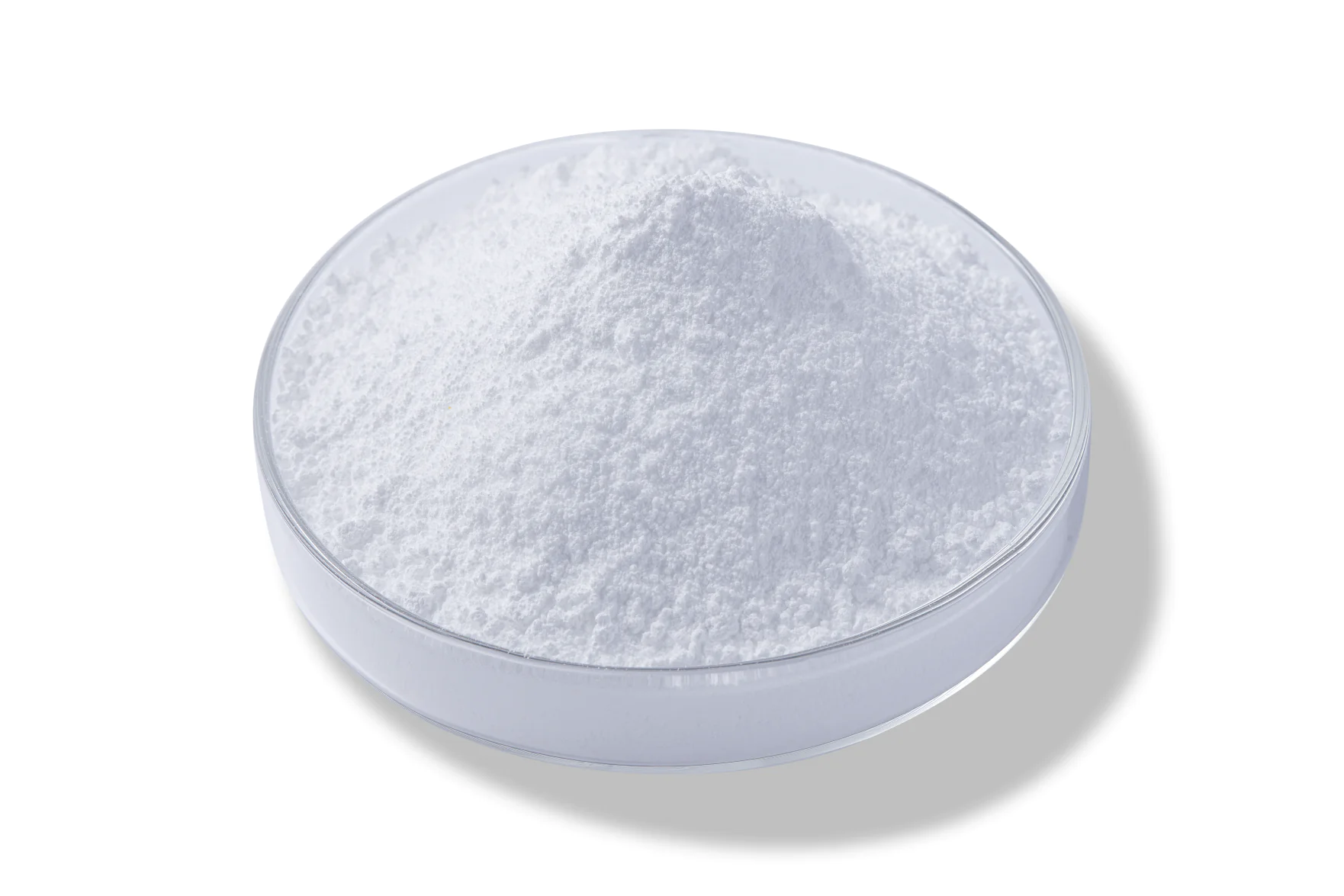
In commercial food production, businesses rely on high-performance materials that support safety, durability, and predictable processing behavior. One essential component behind many material solutions is silica, specifically the high-purity grades provided by JSJ. As a key raw material used in food silicone, JSJ’s silica strengthens both product stability and performance while supporting compliance in food-contact environments.
The Role of Silica in Food-Grade Silicone
Food-grade silicone is widely used in molds, seals, tubing, and various processing accessories across the food and beverage sector. Its performance depends heavily on the quality of the filler materials embedded within the silicone matrix. High-purity silica is one of the most important of these fillers.
JSJ supplies silica engineered to enhance structural strength, improve heat resistance, and maintain the inert behavior required for food-contact applications. These material characteristics help ensure that finished silicone products remain stable and reliable throughout prolonged use in production lines or kitchen equipment.
How JSJ Silica Supports Safe Material Interaction
Food manufacturers frequently question how materials behave during repeated exposure to heat, pressure, and ingredients—often phrased as concerns about whether a material could transfer into food. When it comes to silica-reinforced silicone, stability largely depends on thespecific surface area, oil absorption value, and particle size of the silica source.
JSJ focuses on supplying silica with strict quality control, helping ensure predictable performance inside silicone formulations. With controlled specific surface area, oil absorption value, and particle size, JSJ silica supports silicone products that remain inert, reducing concerns about migration under normal food-contact conditions.
In addition to structural reinforcement, silica powder uses in food extend to improving flow in powdered ingredients and preventing moisture-related clumping. JSJ’s food-compatible grades offer functional stability without influencing flavor, appearance, or formulation balance.
Advantages of JSJ Silica for Food Manufacturers
JSJ‘s silica portfolio is designed to meet the diverse needs of both silicone product manufacturers and food brands using powdered ingredients. Benefits include:
Enhanced mechanical strength for silicone used in baking molds, utensils, and processing equipment
Improved heat resistance contributing to long-term durability
Stable anti-caking performance for food powders requiring consistent texture
Reliable moisture management, supporting shelf stability and clean production flow
These strengths provide manufacturers with confidence when selecting raw materials for food-contact and food-processing applications.
Conclusion
From reinforcing food silicone to ensuring dependable functionality in powdered formulations, JSJ silica plays a vital role in supporting safety, efficiency, and stable product performance. By focusing on purity and precise material control, JSJ helps manufacturers deliver reliable food-contact products and consistent ingredient quality across diverse applications. This makes JSJ an essential partner for businesses seeking dependable silica solutions in the food sector.