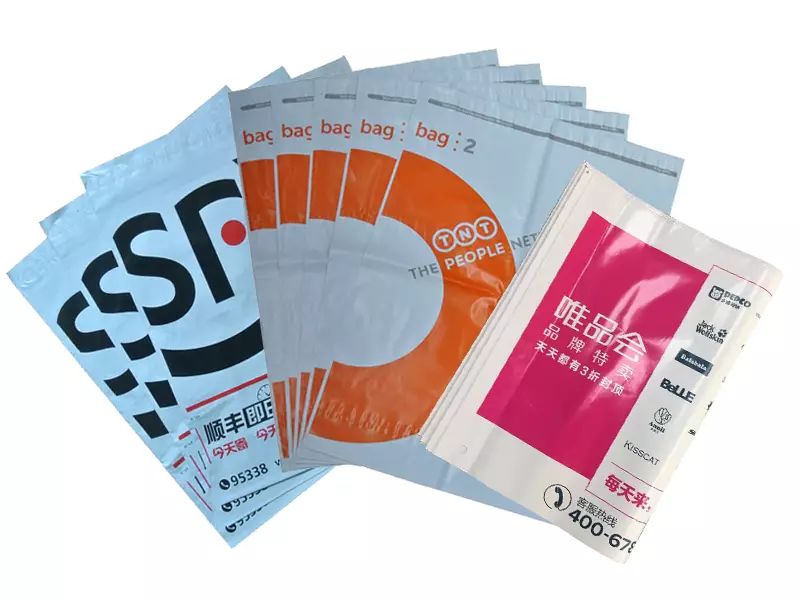
Unboxing begins before the package is opened. The first visible surface tells the recipient whether the shipment feels organized, deliberate, and connected to the brand. For commercial buyers, custom poly mailers with logo can turn a routine delivery into a more recognizable experience, especially when clothing brand shipping bags are designed with both presentation and logistics in mind.
WH Packing is relevant because branded mailer production combines film selection, logo printing, bag structure, adhesive performance, and carton packing. A strong unboxing experience does not come from decoration alone; it comes from a bag that looks consistent, protects the product, and opens without frustration.
Material feel contributes to perception. A bag that is too thin may make the shipment feel careless, while an unnecessarily heavy bag can seem wasteful. The goal is a film specification that matches product value, shipping distance, and handling conditions.
Designing the Outer Bag for Recognition and Trust
The logo should be visible without overwhelming the package. Custom poly mailers with logo often work better when brand marks, color areas, and handling text are placed with clear space around them. Crowded artwork can look cheaper than a simple, well-balanced design.
Color choice should match brand identity and printing limits. A deep color may create a bold impression, while a lighter base can feel cleaner and make shipping labels easier to read. Buyers should review printed samples under normal light because screen colors rarely match film exactly.
Clothing brand shipping bags should also protect privacy. A beautiful mailer that reveals too much about the product or its value may not be suitable for all delivery routes. Designers can use branding on the outside while still choosing opaque film to keep contents discreet.
Trust is built through consistency. If repeat orders vary noticeably in logo position, color density, bag texture, or seal behavior, the brand experience becomes uneven. Buyers should define print tolerance and sample approval standards before ordering in quantity.
Internal packaging should support the same message. If the outer mailer looks refined but the item inside is wrinkled or poorly folded, the unboxing effect weakens. Clothing brand shipping bags work better when the outer and inner packing process are planned together.
Making the Opening Process Simple and Clean
A good unboxing experience depends on how the recipient opens the bag. A strong adhesive is necessary during transit, but the package should not require excessive force that risks damaging the product. Tear strips, perforation lines, or return-ready closures can improve the experience when chosen correctly.
For apparel, the outer mailer should cooperate with inner packaging. Tissue, garment bags, insert cards, or thank-you notes can support the brand story, but they should not create bulk that strains the seal. Clothing brand shipping bags need enough space for the complete packed presentation, not only the garment itself.
Return convenience can also shape customer perception. A second adhesive strip or reusable return design may reduce friction for fashion categories where size exchanges are common. The customer remembers packaging that makes a necessary return less stressful.
Label placement should be planned as part of the design. A shipping label covering the logo can weaken the intended look, while a poorly placed barcode may bend over a seam. Custom poly mailers with logo should include a dedicated label zone during artwork planning.
Branded packaging should also be easy to reorder. The buyer should keep approved artwork, color references, size codes, and carton quantities in a clear file so future custom poly mailers with logo remain consistent across production runs.
Connecting Brand Detail With Fulfillment Efficiency
The better branded mailers satisfy both marketing and warehouse needs. Packers should be able to open cartons, choose the right size quickly, insert products smoothly, seal the flap, and apply labels without slowing the line. A visually attractive bag that complicates packing will create pressure during busy periods.
WH Packing can be assessed by how well it supports this balance. A supplier should discuss film thickness, print durability, color matching, size range, adhesive format, and carton labeling so the final mailer works in real operations, not only in photographs.
Testing should include actual packed orders. Buyers can mail samples to different locations, inspect arrival condition, check whether the print rubs, and ask staff whether the bag is easy to handle. This evidence is more useful than approving a design from a single flat sample.
WH Packing can help buyers treat the mailer as both a communication surface and a protective tool. That combination is what makes a branded shipping bag useful beyond its first visual impression.
Size discipline also affects the moment of opening. A bag that is far too large may look careless and allow the item to move, while a tight bag can wrinkle garments and make removal awkward. The most successful clothing brand shipping bags are sized around the folded product and any inner presentation elements.
Memorable unboxing is not loud by default. It is controlled, clean, protective, and aligned with the customer’s expectations. When custom poly mailers with logo are designed with practical details, clothing brand shipping bags can strengthen recognition while keeping fulfillment efficient and reliable.