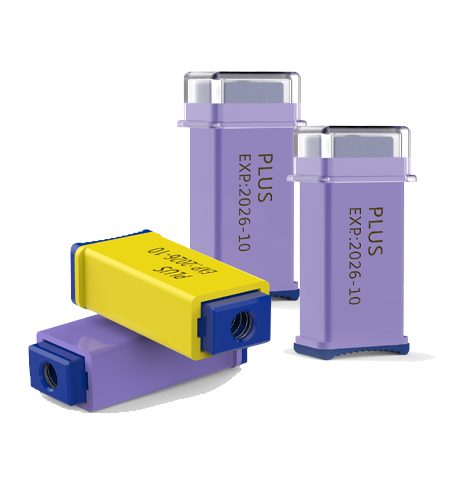
Medical facilities frequently operate under demanding schedules where efficiency and patient care usually remain high priorities. Healthcare professionals generally rely on specialized instruments to streamline routine procedures like capillary blood sampling.
In these fast-paced environments, manual lancet systems may involve additional preparation and handling steps. Modern advancements in medical engineering have introduced innovative solutions designed to address these common clinical challenges. The adoption of updated sampling devices often provides a straightforward approach to daily tasks.
Why Do Clinics Prefer the Safety Lancets Push Button Mechanism?
Clinical efficiency typically relies on minimizing the necessary steps for routine medical procedures. A pre-loaded, pressure-activated device often reduces the preparation time needed before obtaining a capillary blood sample. Healthcare workers can usually bypass the manual loading phase often associated with older diagnostic tools.
This streamlined approach typically allows practitioners to focus more closely on the patient rather than the device setup. By simplifying the actuation process, a safety lancets push button mechanism can help maintain a steady operational flow. Such designs generally support higher patient throughput in busy diagnostic centers.
The Impact of a Pre-Loaded Design on Clinical Workflows
When medical diagnostic devices come pre-assembled, practitioners often experience fewer interruptions during routine testing. These ready-to-use instruments can be immediately applied to the intended insertion site, which generally expedites the overall blood collection process. This readiness frequently proves beneficial during high-volume testing scenarios.
A straightforward activation method can minimize the cognitive load on healthcare providers during demanding shifts. Reducing the complexity of the sampling procedure frequently helps medical staff maintain their concentration on providing quality care. This ease of use typically translates into a more organized practice.
How Do Fully Shielded Needles Support Enhanced Occupational Safety?
Occupational hazards, such as accidental needle-stick injuries, frequently remain a significant concern in the medical field. Accidental exposures can sometimes expose healthcare workers to bloodborne pathogens. Modern capillary sampling devices are generally designed with protective features to mitigate these inherent occupational health risks.
A needle that remains securely shielded both before and after actuation typically offers a reliable layer of protection. Once the device is activated, the sharp component usually retracts automatically into the durable plastic housing. This automatic retraction generally ensures the point is no longer exposed.
Improving Medical Waste Disposal Procedures in Healthcare Facilities
Safe and efficient disposal practices typically prove vital for maintaining a secure clinical environment. When a sharp instrument retracts securely into its protective casing, healthcare workers can usually discard the unit into a designated container with greater confidence. This built-in safety feature simplifies disposal protocols.
Practitioners generally do not need to manually recap or dismantle the sharp component after the procedure. Such streamlined safety measures typically contribute to a more secure workplace. Minimizing the handling of used needles frequently reduces the likelihood of post-procedure accidental punctures among clinical staff.
What Role Does Precision Play in Enhancing Patient Comfort?
Capillary blood collection can sometimes cause physical discomfort, particularly for individuals who require frequent health monitoring. Minimizing tissue trauma usually represents a primary objective for medical device manufacturers when designing new diagnostic tools. High-quality devices often incorporate specialized point designs to facilitate high-speed penetration.
An ultra-sharp tri-bevel needle or a bi-bevel blade generally helps the instrument pierce the skin smoothly. This precise cutting angle may reduce the pain experienced by the patient. Products manufactured by SteriLance often feature these precision-engineered points to support enhanced patient comfort during clinical testing.
Consistent Penetration Depths for Various Medical Testing Applications
Different diagnostic tests often require distinct volumes of capillary blood. Medical device manufacturers typically offer a variety of point configurations and penetration depths to suit diverse clinical needs. This variety generally allows healthcare providers to choose the most appropriate specification for each specific testing procedure.
Selecting the correct gauge and depth can often optimize the sample volume while minimizing unnecessary skin damage. By delivering a swift and controlled puncture, these specialized tools can frequently help lessen the apprehension some patients feel. Proper selection usually improves the overall testing experience.
How Does Sterilization Maintain Reliable Medical Product Integrity?
Infection control frequently represents a fundamental aspect of many invasive medical procedures. Ensuring that diagnostic tools remain free from microbial contamination is generally a standard requirement across the healthcare industry. Many single-use lancing devices undergo gamma irradiation during the complex manufacturing and packaging process.
This sterilization method can effectively eliminate potential pathogens, providing a high level of hygienic assurance before the package is opened. Maintaining a sterile environment typically helps prevent cross-contamination between patients. A reliable sterilization process generally supports better health outcomes for communities.
The Importance of Single-Use Diagnostic Instruments in Clinics
Reusing medical sharps can sometimes lead to severe infection risks and compromised diagnostic test results. Consequently, devices designed strictly for single use are generally preferred in modern clinical environments. Once a push-button device is triggered, the internal mechanism is typically disabled to prevent subsequent activations.
This physical limitation often serves as an effective fail-safe against the accidental reuse of a contaminated needle. By enforcing single-use protocols through careful device design, healthcare facilities can better adhere to safety guidelines. This approach generally provides peace of mind for both practitioner and patient.
Disclaimer: This content is provided for general health education and informational purposes only. It does not constitute medical advice, diagnosis, or treatment. Individual health conditions vary, and no health education article can replace a face-to-face consultation with a qualified healthcare professional or licensed medical institution. If you have specific health concerns or feel unwell, please seek care from a licensed medical facility and do not delay treatment because of content on this platform.