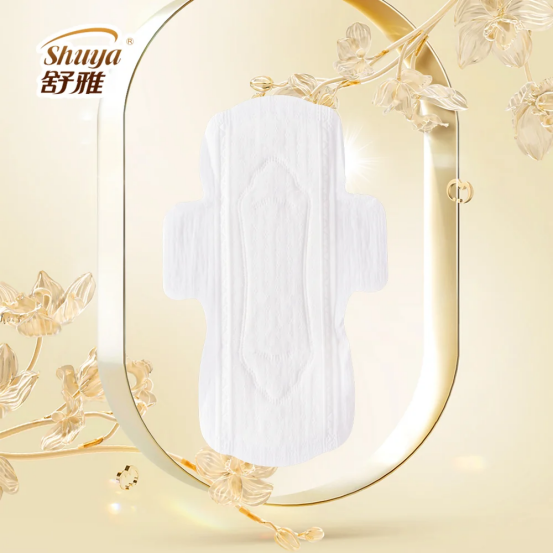
Modern hygiene product facilities rely on highly integrated infrastructure to maintain consistent output. When production managers evaluate a sanitary napkin manufacturer, they often scrutinize the automated assembly lines that dictate product quality and speed. A robust sanitary napkin factory incorporates precision machinery designed to handle absorbent core materials and soft-touch non-woven fabrics with extreme accuracy. These systems ensure that every unit meets defined specifications while maintaining high throughput capacity required for international distribution.
Automated Precision and Quality Control Protocols
Consistency in large-scale production depends heavily on the sophistication of the internal monitoring hardware. By deploying sensors throughout the line, a professional sanitary napkin manufacturer can identify and reject non-compliant items in real time before packaging. These integrated systems monitor adhesive application and material alignment, which are vital for consumer comfort and product performance. Maintaining such technical rigor allows facilities to achieve repeatable results across various product lines, from ultra-thin pads to heavy-flow options.
Material Sourcing and Supply Chain Integration
Efficient workflows depend on a synchronized procurement strategy that keeps the production floor running without interruption. A well-managed sanitary napkin factory establishes direct relationships with material suppliers to ensure that raw inputs, such as wood pulp and superabsorbent polymers, consistently meet quality standards. This proactive approach to resource management prevents downtime and ensures that the structural integrity of the final goods is never compromised. Such coordination is essential for maintaining the high standards expected by global retail partners.
Customization Capabilities for Diverse Market Needs
Brands often require specialized product designs to appeal to specific demographics. The infrastructure within a capable sanitary napkin manufacturer must be adaptable enough to switch between different product configurations without significant delays. By utilizing modular tooling and programmable control systems, these facilities offer extensive OEM and ODM support. This flexibility allows them to modify dimensions, absorption levels, and exterior features, providing a competitive edge for brands that prioritize product innovation.
Maintaining Long-Term Operational Performance
Sustaining success in the personal hygiene sector requires continuous investment in both human expertise and technical hardware. As Shuya manages its production cycles, they emphasize the importance of maintenance and systematic upgrades to preserve operational health. Through these efforts, Shuya provides reliable support for global brands seeking consistent hygiene solutions. By focusing on technical reliability and process efficiency, Shuya ensures that every production run delivers consistent value to their clients. Consistent performance remains the primary goal of their ongoing manufacturing initiatives.