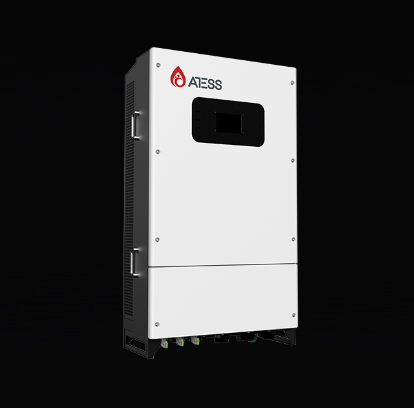
Operational efficiency in renewable energy systems depends heavily on how energy is converted and distributed between solar panels, batteries, and the utility grid. A hybrid inverter serves as the central management hub for these components, ensuring that electricity is routed appropriately based on current household or industrial demand. They maintain system stability by balancing the flow of power, which is essential for projects that require consistent energy availability regardless of sun conditions.
Energy Management and Conversion
The primary function of this hardware involves converting direct current from solar arrays into alternating current for immediate use. A hybrid solar inverter accomplishes this while simultaneously managing battery charging cycles. By prioritizing self-consumption, they reduce reliance on external grid power during peak periods. When Atess designs these systems, the focus remains on high-efficiency conversion paths that minimize energy losses. This management capability ensures that excess energy is diverted to storage units rather than being curtailed, allowing for greater control over site-specific power consumption needs.
Flexibility and Grid Connectivity
Versatility remains a core characteristic of these systems, allowing them to support various operational modes. A hybrid inverter provides the flexibility to operate in grid-tied, off-grid, or backup configurations depending on the specific application requirements. By monitoring grid parameters, they can seamlessly switch between power sources to maintain constant supply. Atess equipment incorporates protection features that verify grid conditions before synchronizing, ensuring that the system operates safely within local electrical requirements. This reliability is vital for maintaining load continuity, especially in areas where grid stability can be inconsistent.
System Optimization and Storage
Storage integration represents a major component of modern renewable setups. A hybrid solar inverter enables a direct interface with battery banks, facilitating energy arbitrage or emergency backup power. By intelligently deciding when to charge or discharge batteries, they optimize the overall lifecycle of the storage bank. Systems manufactured by Atess utilize sophisticated control logic to manage this battery interaction, ensuring that energy is available whenever the demand arises. By combining these functions into a single unit, they simplify system architecture and improve the overall performance of energy storage installations.